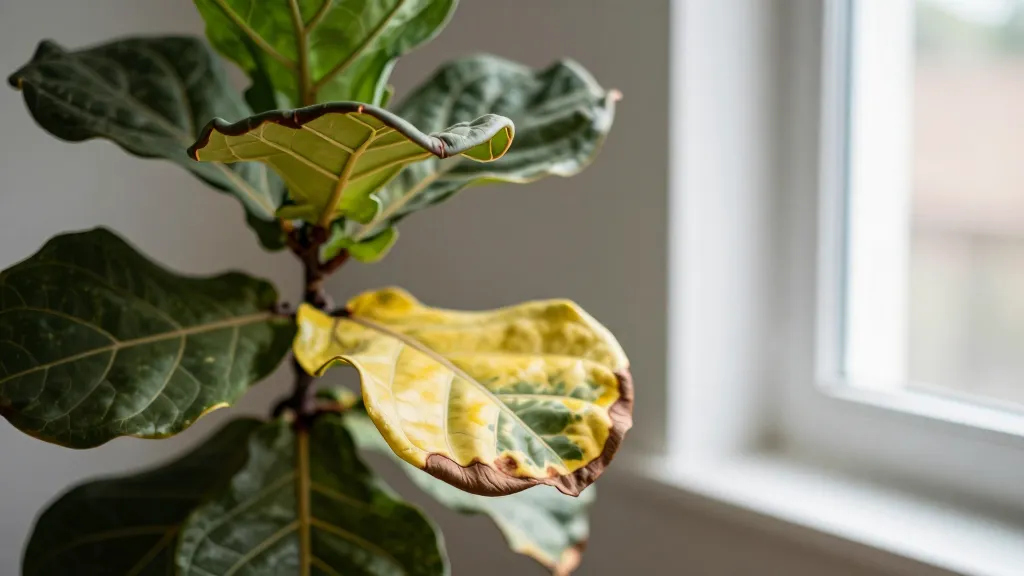
If your fiddle leaf fig dropping leaves, you're not alone. This popular indoor plant is known for its striking foliage, but it can become stressed and lose leaves unexpectedly. Whether you're new to plant care or simply unsure what's causing the issue, understanding the reasons behind fiddle leaf fig dropping leaves is key to saving your plant. This article explores common causes like drafts, inconsistent light, and environmental stress, and offers practical solutions to help your plant recover. From identifying the root of the problem to adjusting your care routine, we’ll guide you through the steps to restore your fiddle leaf fig’s health without complicated methods.
Understanding Leaf Drop in Fiddle Leaf Figs
Leaf drop in fiddle leaf figs is a common issue that indicates plant distress rather than a natural part of its lifecycle. These plants are particularly sensitive to environmental changes, which can trigger unexpected leaf loss. Understanding the root causes of this problem is crucial for providing the right care and preventing further damage.
What Causes Leaf Drop in Fiddle Leaf Figs?
Leaf drop in fiddle leaf figs can be caused by a variety of factors, including sudden changes in temperature, light exposure, or humidity levels. These plants thrive in stable environments, and any disruption can lead to stress and subsequent leaf loss. Overwatering or underwatering is also a common cause, as both extremes can damage the plant's root system and lead to leaf drop.
Is Leaf Drop a Sign of Serious Problems?
While leaf drop can be a sign of stress, it is not always an indication of a severe problem. In many cases, it is a temporary response to environmental changes and can be resolved by adjusting the plant's conditions. However, persistent or widespread leaf drop may signal more serious issues such as root rot, nutrient deficiencies, or pest infestations. Identifying the underlying cause is essential for determining the appropriate course of action.
Draft Stress and Its Impact on Leaf Drop
Draft stress is a common but often overlooked cause of leaf drop in fiddle leaf figs. Exposure to cold or hot air currents from windows, doors, or air vents can shock the plant and lead to sudden foliage loss. Maintaining a stable environment is essential for preventing this type of stress and ensuring your plant remains healthy.
How Drafts Affect Your Fiddle Leaf Fig
Drafts from windows, doors, or air vents can cause sudden leaf drop in fiddle leaf figs. These air currents, often cold or hot, can shock the plant's system, leading to stress and leaf loss. The plant may drop leaves as a protective response to sudden temperature changes or airflow, especially if it's not acclimated to such conditions.
Tips for Minimizing Draft Stress
To minimize draft stress, place your fiddle leaf fig away from direct sources of airflow. Keep it at least three feet away from windows, doors, and air vents to avoid exposure to sudden temperature fluctuations. Using a draft barrier or curtain can also help buffer the plant from cold or hot air currents. Maintaining a consistent indoor temperature between 65°F and 75°F is ideal for preventing stress-related leaf drop.
Light Consistency and Its Role in Leaf Drop
Light is a critical factor in the health of your fiddle leaf fig. These plants thrive in consistent, bright but indirect light, which supports photosynthesis and prevents leaf drop. Understanding the specific light needs of your plant and maintaining a stable environment can help you avoid common issues like yellowing leaves and premature leaf loss.
What Light Conditions Do Fiddle Leaf Figs Need?
Fiddle leaf figs require bright, indirect light to grow properly. Direct sunlight can scorch their leaves, causing damage and leaf drop, while insufficient light leads to leggy growth and poor foliage color. Aim for a location near a north or east-facing window where the plant can receive several hours of gentle light daily. Avoid placing your plant in areas with fluctuating light, such as near doors or windows that open and close frequently.
How to Maintain Light Consistency
Maintaining consistent light exposure is essential for preventing leaf drop. If your plant is in a low-light area, consider using a grow light to supplement natural light. However, ensure the light is on for a set number of hours each day to mimic natural conditions. Avoid sudden changes in light intensity, as this can shock the plant and trigger leaf drop. Regularly check the position of your plant and adjust it as needed to maintain optimal light levels without exposing it to direct sun.
Troubleshooting Leaf Drop: Step-by-Step Solutions
Troubleshooting leaf drop in your fiddle leaf fig starts with a methodical assessment of its environment and care routine. By identifying the root cause, you can take targeted actions to restore your plant's health.
- Check for environmental changes, such as temperature, light, and airflow.
- Evaluate watering practices to avoid overwatering or underwatering.
- Inspect the plant for pests or signs of disease that may be causing leaf loss.
How to Diagnose the Cause of Leaf Drop
Begin by observing if your plant has recently been moved or exposed to sudden temperature changes. Fiddle leaf figs are sensitive to drafts and temperature fluctuations, which can trigger leaf drop. Ensure the plant is placed in a stable environment with consistent temperatures between 65°F and 75°F. Avoid placing it near windows, doors, or air vents where it might be exposed to cold drafts or sudden temperature swings.
Practical Steps to Fix Leaf Drop
Next, assess your watering routine. Overwatering is a common cause of leaf drop, as it can lead to root rot and prevent the plant from absorbing nutrients. Check the soil moisture by inserting your finger about an inch into the soil; if it feels dry, it's time to water. Conversely, if the soil is consistently soggy, reduce watering frequency. Always use a well-draining potting mix and ensure the pot has drainage holes to prevent water buildup.
Preventing Future Leaf Drop: Care Tips
Preventing future leaf drop requires consistent care and attention to your fiddle leaf fig's environment and routine. By establishing stable conditions and adopting proper watering and feeding habits, you can help your plant thrive and avoid the stress that leads to leaf drop.
Creating a Stable Environment for Your Fiddle Leaf Fig
Creating a stable environment is key to preventing leaf drop. Fiddle leaf figs prefer temperatures between 65°F and 75°F, with minimal fluctuations. Avoid placing your plant near drafty windows, air conditioners, or heating vents, as sudden temperature changes can trigger stress and leaf loss. Ensure your plant receives consistent light, ideally bright indirect light for several hours each day. If natural light is limited, consider using a grow light to maintain a steady light cycle.
Watering and Fertilizing Best Practices
Water your fiddle leaf fig only when the top inch of soil is dry to the touch. Overwatering can lead to root rot, which is a common cause of leaf drop. Use a well-draining potting mix to prevent water from sitting in the soil and to encourage healthy root development. Avoid letting the plant sit in standing water, and ensure the pot has drainage holes. Fertilize sparingly, using a balanced, water-soluble fertilizer every 2 to 3 months during the growing season. Over-fertilizing can cause chemical burn and stress, leading to leaf drop. Always follow the recommended dosage and avoid fertilizing during winter when the plant is dormant.
Frequently Asked Questions
Can a fiddle leaf fig recover from leaf drop?
Yes, a fiddle leaf fig can recover from leaf drop if the underlying cause is addressed promptly. Provide stable conditions, proper care, and avoid overwatering. Recovery may take several weeks, depending on the severity of the issue.
How often should I water my fiddle leaf fig?
Water your fiddle leaf fig when the top 2-3 inches of soil are dry. Avoid frequent watering to prevent root rot. Adjust frequency based on environmental conditions and the plant's needs.
Is leaf drop always a sign of overwatering?
No, leaf drop can be caused by various factors such as drafts, light changes, or nutrient deficiencies. Overwatering is a common cause, but it's not the only one. Assess the plant's environment and care routine to identify the root issue.
What should I do if my fiddle leaf fig is losing leaves suddenly?
Sudden leaf drop often indicates stress from environmental changes. Check for drafts, inconsistent light, or recent watering issues. Adjust conditions gradually and monitor the plant for signs of improvement.
Final Thoughts and Next Steps
Stabilizing your fiddle leaf fig's environment is key to preventing leaf drop. Address drafts, ensure consistent light, and maintain proper watering and fertilizing practices. Regular care and attention can help your plant thrive.
By identifying and resolving the causes of leaf drop, you can restore your fiddle leaf fig's health. Monitor your plant closely and make adjustments as needed. With patience and care, your plant will recover and flourish.