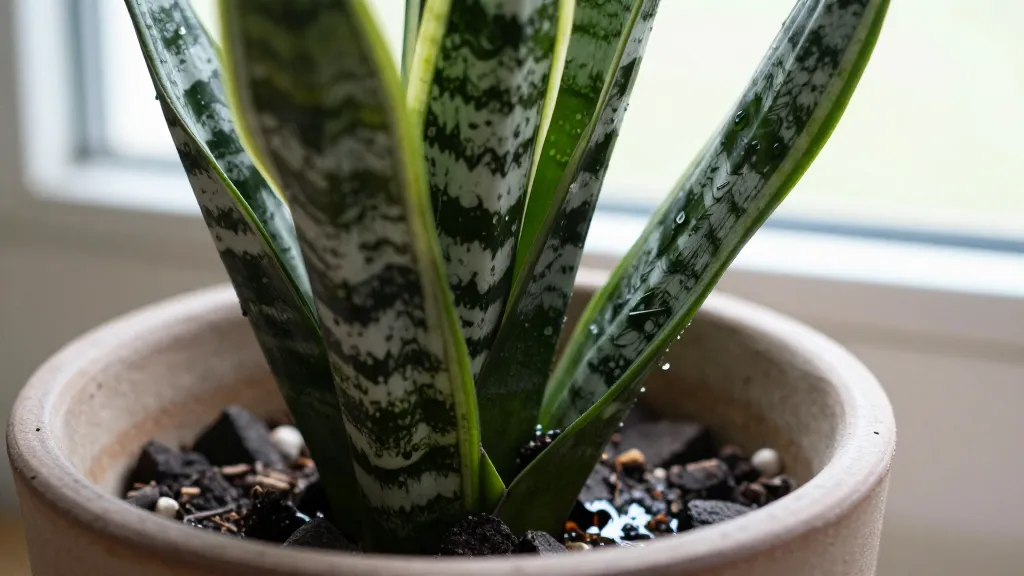
If your snake plant is turning yellow or drooping, it might be a sign of improper watering, especially during the winter and summer seasons. A snake plant watering schedule winter vs summer is essential for keeping your plant healthy, especially if you live in an urban apartment with limited natural light. Snake plants are resilient, but they still need the right balance of moisture and care to thrive. Understanding how environmental conditions affect their watering needs can help you avoid overwatering, which is a common cause of root rot.
During winter, snake plants grow more slowly, so they require less frequent watering. However, it’s easy to overwater them when you’re not sure how much to give. In contrast, summer brings warmer temperatures and more light, which increases their water demand. Knowing the snake plant watering schedule winter vs summer can prevent issues like yellowing leaves and drooping stems, which often point to either under or overwatering.
This article explains the ideal watering frequency for snake plants during both seasons, how to avoid root rot, and tips for maintaining a healthy plant. Whether you're new to plant care or looking to refine your routine, understanding the snake plant watering schedule winter vs summer will help you keep your snake plant thriving year-round.
Understanding Your Snake Plant's Watering Needs
Snake plants are resilient, low-maintenance plants that thrive with minimal care. Their natural habitat is dry, making them well-suited for indoor environments with limited natural light. Understanding their watering needs is crucial to preventing common issues like yellowing leaves and root rot. This section explains why these plants require less frequent watering and how environmental factors influence their care.
Why Snake Plants Need Less Water
Snake plants are drought-tolerant and prefer infrequent watering. Their thick, fleshy leaves store water, allowing them to survive long periods without moisture. Overwatering is a common mistake among new plant owners, often leading to root rot and leaf yellowing. These plants thrive when the soil is allowed to dry out completely between waterings, making them ideal for busy individuals or those new to plant care.
The Role of Environmental Conditions in Watering
Environmental conditions play a significant role in determining how often your snake plant should be watered. Factors such as temperature, humidity, and light levels can affect the plant’s moisture needs. In winter, cooler temperatures slow growth and reduce water consumption, while summer heat and brighter light increase the rate of evaporation. Adjusting your watering schedule based on these conditions helps maintain a healthy balance for your plant.
Urban apartment dwellers with limited natural light should pay close attention to these variables. Even in low-light environments, snake plants still require occasional watering, but the frequency should be adjusted according to seasonal changes. Monitoring the soil’s dryness and observing your plant’s response will help you avoid both underwatering and overwatering, ensuring your snake plant remains vibrant and healthy.
Snake Plant Watering Schedule in Winter
Winter is a critical time for adjusting your snake plant's watering routine. As temperatures drop and daylight hours shorten, snake plants enter a slow growth phase, making them more susceptible to overwatering. During this period, it’s essential to reduce watering frequency and focus on maintaining the right balance to prevent root rot and promote overall health.
Winter Watering Frequency for Snake Plants
In winter, snake plants require less frequent watering due to their slowed metabolic processes. Aim to water your plant every 3 to 4 weeks, depending on indoor conditions. Check the soil moisture level before watering—only water when the top 2 to 3 inches of soil are completely dry. This helps prevent root saturation and ensures the plant receives the necessary hydration without excess.
Avoiding Overwatering During Cold Months
Avoiding overwatering during cold months is crucial for preventing root rot. Cold temperatures can slow down evaporation, increasing the risk of waterlogged soil. Ensure your pot has proper drainage holes and use a well-draining soil mix to allow excess water to escape. If you're unsure whether to water, it’s better to wait a few days rather than risk damaging the plant. Regularly inspect the leaves for signs of stress, such as yellowing or wilting, which can indicate overwatering or poor drainage.
Snake Plant Watering Schedule in Summer
As temperatures rise in summer, snake plants may require more frequent watering to compensate for increased evaporation and transpiration. However, it's crucial to balance hydration with the plant's natural resilience to avoid overwatering, which can lead to root rot and other issues.
Summer Watering Frequency for Snake Plants
During summer, snake plants generally need watering every 2 to 3 weeks, depending on the climate and indoor conditions. Check the soil moisture by inserting your finger 2 inches deep; if it feels dry, it's time to water. Avoid a strict schedule and instead respond to the plant's needs based on environmental factors.
Managing Heat and Light for Watering Needs
High temperatures and strong sunlight can accelerate moisture loss, making the soil dry out faster. Ensure your snake plant is in a pot with adequate drainage holes to prevent water from pooling at the bottom. If the soil remains consistently wet, it may indicate overwatering rather than a need for more frequent watering. Position the plant in a location with bright, indirect light to avoid leaf burn while still meeting its light requirements.
Preventing Root Rot in Snake Plants
Preventing root rot is crucial for the health and longevity of your snake plant. Root rot occurs when the roots become waterlogged, leading to decay and potential plant death. Understanding the causes and signs of root rot, as well as knowing how to address it, can help you save your plant and maintain its vitality.
Root Rot Causes and Signs
Root rot in snake plants is typically caused by overwatering, poor drainage, or compacted soil. These conditions prevent the roots from getting enough oxygen, leading to decay. Signs of root rot include yellowing leaves, a musty odor from the soil, and soft, mushy roots. If left untreated, the damage can spread and kill the plant. Regularly checking the soil moisture and ensuring proper drainage can help prevent this issue.
How to Save a Snake Plant with Root Rot
If your snake plant has root rot, act quickly to save it. Start by removing the plant from its pot and gently brushing away the soil to inspect the roots. Healthy roots are firm and white, while rotten roots are soft and brown. Trim away any damaged roots with clean, sharp scissors. Repot the plant in fresh, well-draining soil and a clean pot. Avoid watering for a few days to allow the roots to recover. With proper care, your snake plant can recover and thrive again.
Tips for Maintaining a Healthy Snake Plant
Maintaining a healthy snake plant involves more than just watering. Proper care includes selecting the right pot, monitoring soil moisture, and managing light exposure to ensure the plant thrives year-round.
Best Practices for Snake Plant Care
Use a pot with drainage holes to prevent water buildup and root rot. Snake plants are susceptible to overwatering, so ensuring excess water can escape is crucial. Place the pot on a tray or saucer to catch runoff and avoid water sitting around the roots. Regularly check the drainage holes to make sure they remain clear and functional.
How to Adjust Watering Based on Seasonal Changes
Water only when the top 2–3 inches of soil are dry. Insert your finger into the soil to gauge moisture levels, and only water when the soil feels dry to the touch. Avoid frequent watering, as snake plants are drought-tolerant and prefer to dry out between waterings. In winter, reduce watering frequency significantly, and increase it slightly in summer if the plant is exposed to more light or heat.
Frequently Asked Questions
Can I water my snake plant every week in summer?
Watering your snake plant every week in summer is likely too frequent. Snake plants prefer infrequent watering, even in warmer months. Allow the soil to dry out completely between waterings to avoid overwatering, which can lead to root rot.
What should I do if my snake plant starts turning yellow?
Yellowing leaves on a snake plant can indicate overwatering, underwatering, or insufficient light. Check the soil moisture and adjust watering accordingly. Ensure your plant receives bright, indirect light to promote healthy growth.
How often should I water my snake plant in winter?
In winter, water your snake plant every 4 to 6 weeks. Cold temperatures and lower light levels slow growth, so the plant requires less water. Always check the soil before watering to avoid overwatering.
Is it possible to overwater a snake plant even in summer?
Yes, overwatering a snake plant in summer is possible, especially if you water too frequently. The plant can tolerate dry conditions better than excess moisture. Allow the soil to dry out completely between waterings, regardless of the season.
Final Thoughts on Snake Plant Care
Adjust your watering schedule based on the season to keep your snake plant healthy. During winter, water less frequently, and in summer, ensure the soil dries out between waterings. Monitor your plant for signs of overwatering or underwatering to maintain optimal care.
By understanding the specific needs of your snake plant during different seasons, you can avoid common issues like root rot and yellowing leaves. Keep the soil dry and provide the right amount of light for your plant to thrive.