If you're new to plant care, figuring out when your houseplant needs water can be tricky. Overwatering is a common mistake, often leading to root rot and plant death. The main keyword here is how to tell if houseplant needs water, and this article provides clear, actionable steps to help you avoid that pitfall. Indoor plants thrive when their watering needs are met without excess, and knowing the right signs can make all the difference. This guide covers simple methods to assess your plant’s hydration needs, ensuring you water only when necessary. Whether you're dealing with limited natural light or a busy schedule, these tips will help you keep your plants healthy and vibrant. By understanding the basics of plant hydration, you can create a better care routine that supports your plants' growth.
Understanding the Basics of Plant Hydration
Understanding how plants absorb and use water is essential for maintaining healthy indoor plants. Proper hydration ensures that plants can carry out vital processes like nutrient uptake and photosynthesis. However, both overwatering and underwatering can lead to serious issues, making it crucial to grasp the fundamentals of plant hydration.
The Role of Roots in Water Absorption
Plants absorb water through their roots, which are located in the soil. Roots act as the primary channel for water intake, drawing moisture from the soil into the plant's vascular system. The root system also plays a key role in anchoring the plant and absorbing essential nutrients. When the soil becomes too dry, the roots may struggle to take in enough water, leading to wilting and stunted growth.
How Environmental Factors Affect Water Needs
Environmental factors such as temperature, humidity, and light exposure significantly influence a plant's water needs. For instance, higher temperatures and lower humidity increase evaporation, requiring more frequent watering. Conversely, cool, damp conditions can slow down water loss, reducing the need for frequent irrigation. Additionally, the amount of natural light a plant receives affects its metabolic rate, which in turn impacts its water consumption. Understanding these factors helps in tailoring the watering schedule to suit the specific needs of each plant.
Checking Soil Moisture
Checking soil moisture is a reliable method to determine if your houseplant needs water. By assessing the soil's condition, you can avoid both underwatering and overwatering, which are common causes of plant stress. This section explains how to check soil moisture manually and the role of moisture meters in providing more precise readings.
- Insert your finger into the soil up to the first knuckle to check the top 1-2 inches.
- Use a wooden skewer or chopstick to probe the soil and gauge its moisture level.
- Avoid using metal objects, as they can damage delicate root systems.
- Moisture meters can provide accurate readings but may vary depending on the model and soil type.
How to Check Soil Moisture Manually
To check soil moisture manually, insert your finger into the soil up to the first knuckle. This simple method allows you to assess the top 1-2 inches of soil, which is the area most critical for root hydration. If the soil feels dry at this depth, it's time to water. However, if it's still damp, wait a few days before checking again.
Using a Moisture Meter for Accuracy
A moisture meter can offer more precise readings than manual checks, especially for those unfamiliar with soil texture. These devices measure the electrical conductivity of the soil, indicating whether it's too dry, too wet, or just right. While moisture meters are useful, they may not always reflect the actual water needs of the plant, so it's best to cross-reference their readings with manual checks.
Assessing Pot Weight
Assessing pot weight is a reliable method to determine when your houseplant needs water. By comparing the weight of the pot before and after watering, you can gauge how much moisture has been absorbed by the soil. This technique is especially helpful for urban dwellers with limited natural light, as it provides an objective way to avoid overwatering and ensure your plants stay healthy.
- A dry pot is lighter than a wet one, which can help identify if the soil has dried out.
- Weigh the pot regularly to track changes in moisture levels.
- Use a kitchen scale for precise measurements, especially for larger pots.
- Weight changes can also indicate overwatering or root issues.
How to Use Pot Weight as a Watering Indicator
To use pot weight as a watering indicator, start by weighing the pot when it is completely dry. This will give you a baseline for comparison. As you water the plant, the pot will gradually become heavier. When the weight returns to its original dry state, it’s time to water again. This method works best with pots made of materials like ceramic or terracotta, which absorb and release moisture more predictably.
Tips for Weighing Pots Accurately
For accurate readings, use a kitchen scale that can measure in grams or ounces. Place the pot on the scale and record the weight. If the pot is too heavy to handle, use a smaller container to hold it while weighing. Consistency is key—weigh the pot at the same time each day or during the same watering cycle to ensure reliable data. This approach helps you detect subtle changes in moisture levels that might be hard to notice otherwise.
Observing Plant Behavior
Observing your houseplant's behavior can provide valuable clues about its hydration needs. While visual cues can be misleading, combining them with other methods like soil moisture checks and pot weight assessment offers a more accurate picture of your plant's health.
Signs Your Plant Is Underwatered
Wilting leaves are a common sign that your plant is underwatered. When a plant lacks sufficient water, its leaves may curl inward, become crispy, or droop dramatically. However, it's important to distinguish this from drooping leaves, which often indicate overwatering. Underwatered plants may also show dry soil around the edges of the pot, a clear signal that it's time to water.
Signs of Overwatering and Root Issues
Overwatering can lead to a range of issues, including yellowing or browning leaves, which may signal root rot or poor drainage. If the leaves feel soggy or the stems appear mushy, this is a strong indicator that the plant is sitting in waterlogged soil. Root issues often develop silently, so regular inspection of the roots is essential. While visual cues can be helpful, they should always be cross-referenced with other methods to avoid misjudging your plant's needs.
Best Practices for Watering Indoor Plants
Effective watering is key to keeping indoor plants healthy and thriving. By following proper techniques and adjusting for changing conditions, you can ensure your plants receive the right amount of water without risk of overwatering or underwatering.
- Water plants thoroughly until water drains out of the pot's drainage holes.
- Allow the soil to dry out slightly between waterings to prevent root rot.
- Use room-temperature water to avoid shocking the plant.
- Adjust watering frequency based on seasonal changes and plant growth stages.
How to Water Plants Effectively
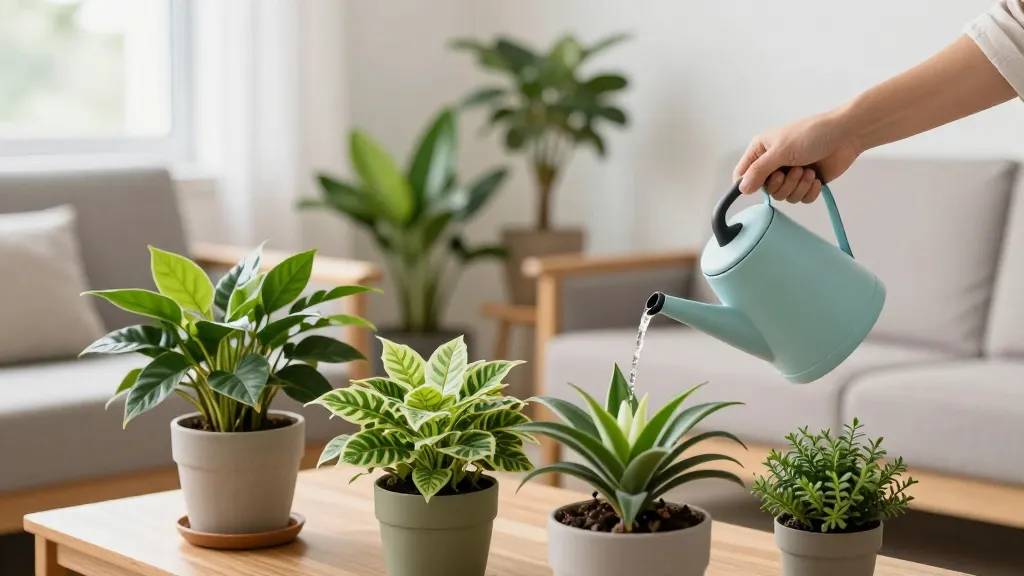
Watering plants thoroughly ensures that water reaches all roots and helps flush out accumulated salts and toxins. When watering, pour water slowly until it starts to drain from the bottom of the pot. This method not only hydrates the plant but also mimics natural rainfall, which encourages deeper root growth.
It's important to let the soil dry out slightly between waterings to avoid waterlogged conditions that can lead to root rot. Overwatering is one of the most common mistakes in indoor plant care, so checking the soil moisture regularly is essential to maintain a healthy balance.
Adjusting Watering Based on Seasons and Growth
Seasonal changes affect how often your plants need to be watered. During warmer months, plants typically grow faster and require more frequent watering, while in cooler months, their growth slows, and they need less water. Pay attention to how your plants respond to changes in light and temperature to adjust your watering schedule accordingly.
As plants move through different growth stages, such as flowering or fruiting, their water needs may increase. Young plants and seedlings often require more frequent watering than mature plants. Monitoring your plant's behavior and adjusting your watering routine can help support its overall health and development.
Frequently Asked Questions
What should I do if my plant is wilting but the soil is still moist?
Wilting can indicate root rot or underwatering. Check for mold or a foul smell. If the soil is wet, stop watering and repot the plant if necessary.
Can I use a kitchen scale to weigh my pot accurately?
Yes, a kitchen scale can work. Weigh the pot before and after watering to determine moisture levels. Ensure the scale is calibrated for accuracy.
Why is my plant drooping even though I water it regularly?
Drooping can be due to overwatering, poor drainage, or root damage. Check the soil moisture and ensure the pot has drainage holes to prevent waterlogging.
How can I tell if my plant is getting too much water?
Overwatering causes yellowing leaves, root rot, and a musty smell. Check the soil for wetness and avoid watering if the top inch is dry.
Final Thoughts
Understanding your plant's water needs is crucial for its health. Use a combination of soil checks, pot weight, and plant behavior to water appropriately.
Implement a consistent watering routine and adjust based on season and growth. Always prioritize proper drainage to avoid overwatering.