If your jade plant is stretching toward the light and looking leggy, you're not alone. Many urban dwellers with limited natural light struggle to keep their jade plants compact and bushy. The key to a fuller shape lies in proper pruning techniques, including jade plant pruning for fuller shape. By learning how to prune and pinch your jade plant, you can encourage dense, compact growth that thrives even in low-light conditions. This article provides a simple, step-by-step guide to help you transform your jade plant into a lush, full specimen. Whether you're a beginner or looking to refine your indoor gardening skills, these techniques will help you achieve the desired shape with minimal effort.
Pruning is more than just removing dead branches—it's about stimulating new growth. When you prune your jade plant, you're essentially encouraging the plant to produce more stems and leaves, which leads to a fuller appearance. The right timing and method are crucial to avoid stressing the plant and ensuring it responds positively to the pruning process. Understanding the science behind pruning for bushiness can help you make informed decisions and avoid common mistakes.
In the following sections, we'll walk you through the best practices for pruning and pinching your jade plant, how to propagate it after pruning, and how to maintain its shape over time. Whether you're aiming for a compact, full-bodied jade or simply want to improve its health and appearance, these techniques will help you achieve your goal. With a little patience and the right approach, your jade plant can thrive and look its best, even in a low-light urban environment.
Why Prune Your Jade Plant for a Fuller Shape
Pruning your jade plant is a simple yet effective way to achieve a fuller, more compact shape. By removing excess growth, you stimulate the plant to produce new shoots and branches, resulting in a denser appearance. This process also helps maintain the plant’s structure, preventing it from becoming leggy and ensuring even light distribution across all parts of the plant.
The Science Behind Pruning for Bushiness
Pruning encourages the jade plant to grow more compact and bushy by redirecting its energy from vertical growth to lateral development. When you trim back the stems, the plant responds by producing new shoots at the cut sites, which fill in gaps and create a fuller look. This process also helps the plant allocate resources more efficiently, promoting healthier and more balanced growth across its entire structure.
When to Prune for Optimal Results
The best time to prune your jade plant is during its active growing season, which typically falls between spring and early summer. Pruning during this period allows the plant to recover quickly and produce new growth before the cooler months set in. Avoid pruning in late fall or winter when the plant is dormant, as this can weaken its ability to regrow and may lead to stress or damage.
Pruning Techniques for a Fuller Jade Plant
Pruning is a vital step in achieving a fuller jade plant. By carefully removing leggy stems and shaping the plant, you encourage denser growth. This section outlines the key techniques to help you prune your jade plant effectively for a more compact and lush appearance.
- Use clean, sharp pruning shears to avoid damaging the plant.
- Focus on removing leggy stems and shaping the plant by cutting just above a leaf node.
- Pinch off the tips of stems to encourage branching and a denser appearance.
- Regularly assess the plant to maintain a balanced and full shape.
How to Pinch Stems for Bushier Growth
Pinching stems is a simple yet effective method to promote bushier growth. By gently removing the tip of a stem, you stimulate the plant to produce new shoots from the node below. This technique is especially useful for encouraging branching and creating a denser appearance. Regular pinching helps maintain a compact shape and prevents the plant from becoming leggy.
Best Practices for Pruning Jade Plants
When pruning jade plants, always use clean, sharp tools to prevent the spread of disease and ensure clean cuts. Cut just above a leaf node to encourage new growth and maintain the plant's structure. Avoid cutting too close to the node, as this can damage the plant. Additionally, remove any dead or yellowing leaves to keep the plant healthy and promote better light penetration.
Understanding the Benefits of Pinching Stems
Pinching stems is a simple yet powerful technique that encourages your jade plant to grow in a more compact, bushy form. By removing the growing tip of a stem, you stimulate the plant to produce new shoots at the point of removal, which results in a fuller appearance. This method is especially beneficial for urban dwellers with limited natural light, as it helps the plant adapt to lower light conditions while maintaining a healthy shape.
Pinching Vs. Cutting: What’s the Difference?
Pinching and cutting are both useful techniques for shaping jade plants, but they serve different purposes. Pinching involves gently removing the topmost pair of leaves from a stem, which encourages the plant to branch out at that point. This method is less invasive and ideal for promoting bushiness without causing significant stress to the plant. In contrast, cutting involves making a more substantial removal of a stem or branch, which is typically used for propagation or reshaping larger sections of the plant.
How Often Should You Pinch Your Jade Plant?
To maintain a fuller shape, pinch your jade plant regularly throughout the growing season. Aim to pinch new growth as it appears, which helps prevent the plant from becoming too tall and leggy. A good rule of thumb is to pinch the stems once a month, especially during spring and early summer when the plant is actively growing. This consistent approach ensures that the plant remains compact and well-balanced over time.
Propagating Jade Plants After Pruning
After pruning your jade plant, you can take advantage of the cuttings to propagate new plants, which is an excellent way to expand your collection. Whether you choose to grow them in water or soil, the process is straightforward and can yield healthy, new jade plants with proper care.
- Select healthy cuttings from the pruned stems, ensuring each piece has at least one node.
- Place the cuttings in a container of water, making sure the node is submerged.
- Change the water every few days to prevent stagnation and promote root growth.
- Once roots develop, transplant the cuttings into well-draining soil for continued growth.
Propagating Jade Plants in Water
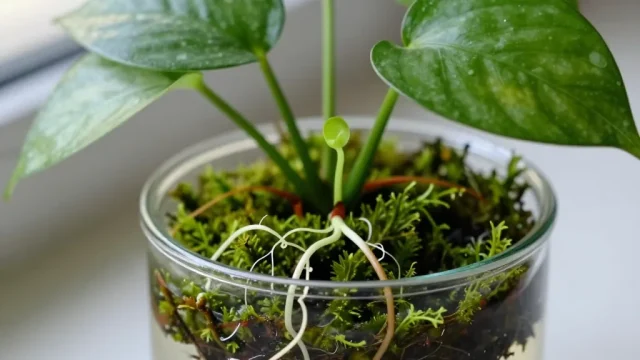
Propagating jade plants in water is a simple and effective method that allows you to monitor root development easily. Submerge the node of the cutting in a clean container of water, and place it in a bright, indirect light location. Keep the water level consistent and refresh it regularly to prevent bacterial growth. Within a few weeks, roots should begin to form, signaling that the cutting is ready to be transferred to soil.
Propagating Jade Plants in Soil
When propagating in soil, choose a well-draining potting mix to avoid waterlogged conditions. Insert the cutting into the soil at a slight angle, ensuring the node is buried beneath the surface. Water the soil lightly and place the pot in a warm, bright location. Avoid overwatering, as jade plants are susceptible to root rot. With proper care, the cutting should establish roots and begin growing new leaves within a few weeks.
Maintaining a Fuller Shape Through Ongoing Care
Maintaining a fuller shape for your jade plant requires consistent care and attention beyond initial pruning. Regular pruning and pinching help sustain the desired bushy appearance, while monitoring the plant’s growth and adjusting care routines ensures long-term success.
How to Keep Your Jade Plant Bushy Over Time
To keep your jade plant bushy over time, prune regularly to encourage new growth and prevent legginess. Aim to pinch back stems every few weeks, especially during the growing season, to promote compact growth. Avoid over-pruning, as this can stress the plant and slow down recovery. Consistency is key, so establish a routine that aligns with your schedule and the plant’s natural growth cycle.
Tips for Preventing Leggy Growth
Preventing leggy growth involves balancing light, water, and pruning. Place your jade plant in bright, indirect light to ensure even growth, as low light can lead to elongated stems. Water only when the soil is dry to the touch, as overwatering can weaken the plant and encourage sparse growth. Combine these practices with regular pinching to maintain a compact, full shape that thrives in indoor conditions.
Frequently Asked Questions
Can I prune my jade plant without using shears?
Yes, you can prune your jade plant using your fingers or clean pruning shears. Pinching stems with your fingers is a simple method for encouraging bushier growth. However, for more severe pruning, using sharp shears ensures clean cuts and minimises the risk of disease.
How long does it take for a pruned jade plant to regrow?
A pruned jade plant typically regrows new stems and leaves within 2 to 4 weeks, depending on environmental conditions and the plant's overall health. Consistent light, warmth, and proper watering will help speed up the recovery process.
Should I prune my jade plant in winter or spring?
Pruning is best done in spring when the plant is actively growing. Pruning in winter may slow growth, as the plant is in a dormant state. Avoid heavy pruning during colder months to prevent stress.
Can I use the same pruning technique for all types of jade plants?
While the basic principles of pruning apply to most jade plants, different varieties may require slight adjustments. Always research the specific type of jade plant you have to ensure the best results.
Final Thoughts
Pruning your jade plant is a simple yet effective way to achieve a fuller shape. Regular pinching and careful pruning encourage bushier growth, while proper care ensures long-term health.
To maintain a lush, compact jade plant, combine pruning with consistent light, watering, and propagation techniques. Start by pinching stems today to see the benefits of a more vibrant, fuller plant.