If you're new to indoor plant care and want to grow more pothos without complicated setups, you've probably wondered: propagating pothos in water vs moss—which is better? Pothos is a fast-growing, resilient plant, but getting it to root successfully can be tricky, especially with limited light. Whether you're using water or moss, the key is understanding how each method affects the plant's growth and survival. This article explores both techniques, helping you choose the best option for your space and care routine.
Understanding Pothos Propagation Basics
Pothos is a fast-growing plant that can be easily propagated using either water or moss. Whether you're looking to expand your indoor garden or share a cutting with a friend, understanding the basics of pothos propagation is essential. Both methods have their advantages, and choosing the right one depends on your environment, experience, and resources. A successful propagation starts with the right cutting and knowledge of how pothos naturally grows.
What Is a Node Cutting?
A node cutting is the key to successful pothos propagation. It refers to a section of the plant that includes a node, which is the small bump on the stem where leaves and roots emerge. When you take a cutting from a pothos plant, it's crucial to include at least one node, as this is where new roots will develop. The cutting should be about 4 to 6 inches long and have a few leaves to help it photosynthesize during the rooting process.
Why Aerial Roots Matter in Propagation
Aerial roots play a vital role in pothos propagation, especially when using the moss method. These roots grow from the nodes and help the plant anchor itself to surfaces like walls or trellises. When propagating in moss, aerial roots can absorb moisture and nutrients directly from the moss, which supports the cutting's growth. Understanding how aerial roots function can help you choose the most effective propagation method for your pothos, especially in low-light conditions.
Propagating Pothos in Water
Propagating pothos in water is a straightforward method that requires minimal equipment and effort. By submerging a node cutting in water, you can encourage root growth without the need for soil. This method is especially useful for beginners or those with limited light, as it allows for easy monitoring of the cutting’s progress.
- Select a healthy stem with at least one node and a few leaves. The node is where roots will develop, so ensure it is fully submerged in water.
- Use a clean glass jar or container with enough water to cover the node but not the leaves. Tap water is generally acceptable, but distilled or filtered water may be preferable to avoid mineral buildup.
- Place the jar in a location with bright, indirect light. Direct sunlight can cause the water to heat up and promote algae growth, which may hinder root development.
- Change the water every 3 to 5 days to prevent stagnation and maintain oxygen levels. This also helps reduce the risk of bacterial or fungal issues.
Setting Up the Water Jar
Setting up the water jar involves selecting the right container and preparing the cutting. A clear glass jar is ideal because it allows you to monitor root growth easily. Fill the jar with room-temperature water, ensuring the node is fully submerged but the leaves remain above the surface. This setup provides the cutting with the necessary moisture without over-saturating the stem.
Maintaining Water Propagation
Maintaining water propagation requires consistent care to ensure the cutting thrives. Regularly check the water level and top it up as needed. If the water becomes cloudy or stagnant, replace it to prevent the buildup of harmful bacteria. Avoid disturbing the cutting too often, as this can stress the plant and slow root development. With proper care, roots should appear within 1 to 2 weeks, signaling that the cutting is ready for transplanting.
Propagating Pothos in Moss
Propagating pothos in moss is a natural and low-maintenance method that mimics the plant's native environment. This technique is especially beneficial for beginners who want a simple way to grow new pothos without the need for frequent water changes or light adjustments.
- Select a node cutting with at least one leaf, ensuring the cutting is healthy and free from disease.
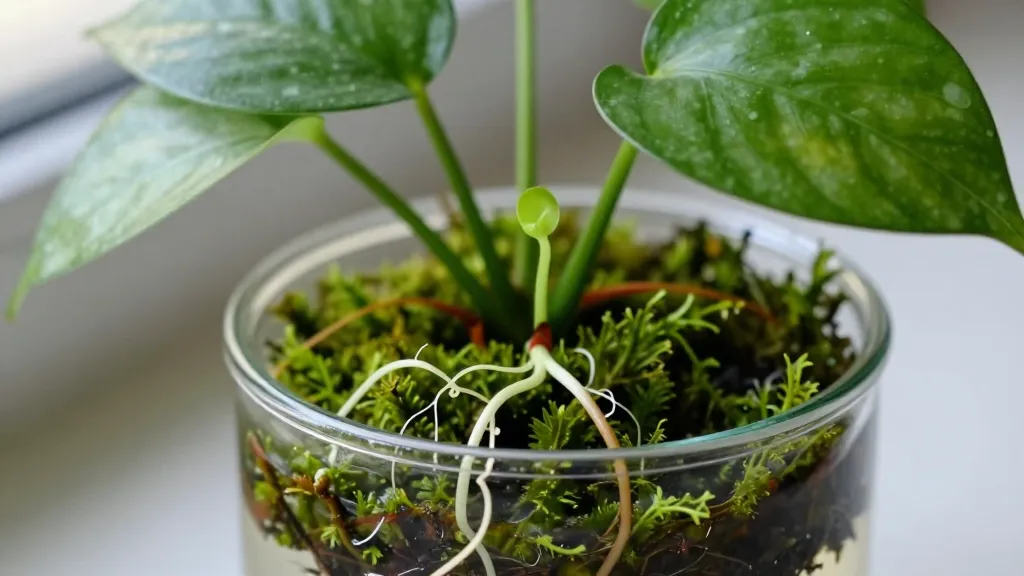
- Place the cutting in a container filled with moist sphagnum moss, making sure the node is in contact with the moss.
- Position the container in a warm, bright spot with indirect light to encourage root development.
- Check the moss regularly to maintain moisture without over-saturating it.
Choosing the Right Moss
Choosing the right moss is crucial for successful pothos propagation. Sphagnum moss is the most commonly used type due to its ability to retain moisture while remaining airy. It also provides a natural environment that encourages root growth. When selecting moss, look for a fresh, undisturbed batch that is still damp and has a vibrant green color. Avoid moss that is dry, discolored, or has a strong odor, as these signs indicate poor quality or improper storage.
Caring for Moss Propagation
Caring for moss propagation involves consistent moisture and the right environmental conditions. Keep the moss damp by misting it lightly or adding a small amount of water as needed. Avoid letting water pool at the bottom of the container, as this can lead to rot. Pothos cuttings in moss will typically root within a few weeks, but patience is key. If the moss begins to dry out, mist it more frequently. Once roots have developed, you can transplant the pothos into soil or continue growing it in moss for a longer period.
Water vs Moss: Which Method to Choose
Choosing between water and moss for propagating pothos depends on your environment, preferences, and care routine. Each method has distinct benefits and challenges that align with different lifestyles and growing conditions. Evaluating these factors can help you decide which approach suits your needs best.
| Feature | Water Propagation | Moss Propagation |
|---|---|---|
| Ease of Setup | Simple; just a jar and water | Requires purchasing or growing moss; more involved setup |
| Visibility of Roots | Roots develop clearly | Roots grow in moss, less visible |
| Maintenance | Needs frequent water changes | Requires consistent moisture but less frequent attention |
| Root Development Speed | Roots form quickly | Roots grow steadily over time |
| Aesthetic Appeal | Clear, clean appearance | Natural, lush look with moss |
| Space Requirements | Requires vertical space for jars | Requires a small container for moss |
Pros and Cons of Water Propagation
Water propagation is ideal for beginners and those with limited space. It allows for easy monitoring of root growth and requires minimal materials. However, it can lead to algae growth and may require more frequent maintenance. This method is best suited for those who prefer a straightforward, low-effort approach to propagation.
Pros and Cons of Moss Propagation
Moss propagation offers a more natural and aesthetically pleasing method, ideal for those who want to blend new plants into existing arrangements. It promotes steady root development and requires less frequent attention. However, it demands careful moisture management and may not be as visible for those who prefer to track growth progress. This method suits individuals who enjoy a more hands-off, organic approach to plant care.
Tips for Successful Pothos Propagation
To maximize your chances of successful pothos propagation, it's essential to follow best practices that avoid common pitfalls and help you recognize when your cuttings are thriving.
- Use clean, sharp tools to make precise cuts and avoid damaging the plant.
- Ensure your cuttings have at least one node, as this is where roots will form.
- Avoid overwatering or letting the cutting sit in stagnant water for too long.
- Provide bright, indirect light to encourage healthy growth without scorching the leaves.
Common Mistakes to Avoid
One of the most common mistakes when propagating pothos is using dull or unsterilized tools, which can introduce pathogens to the cutting. Always clean your scissors or pruners before making a cut to prevent infections. Another frequent error is cutting too close to the leaf, which can reduce the chances of root formation. Make sure your cutting includes a node and a small portion of stem to give roots something to anchor to.
How to Tell If the Cutting Has Rooted
To determine if your pothos cutting has rooted, look for small white roots emerging from the node, typically within 2 to 4 weeks. In water propagation, you'll notice the roots becoming more visible as they grow longer and thicker. In moss propagation, the cutting will start to develop a firm, green base, and new growth may appear. If the cutting remains soft and doesn't show signs of rooting after a few weeks, it may not have taken, and you should consider trying a different method.
Frequently Asked Questions
Can I use regular soil instead of moss for pothos propagation?
Yes, regular soil can be used for pothos propagation, but it may slow root development. Ensure the soil is well-draining and keep it moist. Moss provides a more stable environment for root growth.
How long does it take for pothos to root in water?
Pothos typically roots in water within 2 to 4 weeks. Keep the water clean and change it regularly to prevent bacterial growth. Root development may vary depending on water temperature and light conditions.
Should I change the water regularly when propagating pothos?
Yes, changing the water every 5 to 7 days helps prevent bacterial buildup and keeps the cutting healthy. Fresh water also promotes faster root development and reduces the risk of rot.
Can pothos be propagated with only aerial roots?
Pothos can be propagated with aerial roots, but success depends on their health and length. Place the aerial root in water or moss to encourage new growth. Ensure the cutting has at least one node for successful rooting.
Final Thoughts on Pothos Propagation
Both water and moss propagation methods have their advantages. Water propagation is simpler and faster, while moss provides a more natural environment. Choose based on your preferences and growing conditions.
To propagate pothos successfully, use a node cutting with aerial roots, maintain proper moisture, and avoid common mistakes like overwatering or poor light. Start with your preferred method and enjoy watching your pothos thrive.