If your indoor succulents are showing signs of yellowing leaves or you're struggling with overwatering, the problem might lie in your soil mix. A gritty succulent soil mix ratio is essential for mimicking the natural, well-draining conditions these plants thrive in. Indoor plants, especially in low-light environments, need a soil composition that prevents water from sitting around their roots, which can lead to rot and disease. This article will guide you through the ideal gritty succulent soil mix ratio and how to customize it for your specific plants.
We’ll break down the key components of a gritty soil mix, including pumice and coarse sand, and explain how they contribute to drainage and aeration. Whether you're a beginner or an urban gardener with limited space, understanding the right balance of grit and organic matter can make all the difference in keeping your plants healthy and vibrant.
From mixing ratios to planting tips, this guide will equip you with the practical knowledge you need to revive your indoor succulents. By choosing the right gritty succulent soil mix ratio, you can avoid common pitfalls and create an environment where your plants can flourish, even in the brightest or dimmest corners of your home.
Understanding the Basics of Gritty Succulent Soil
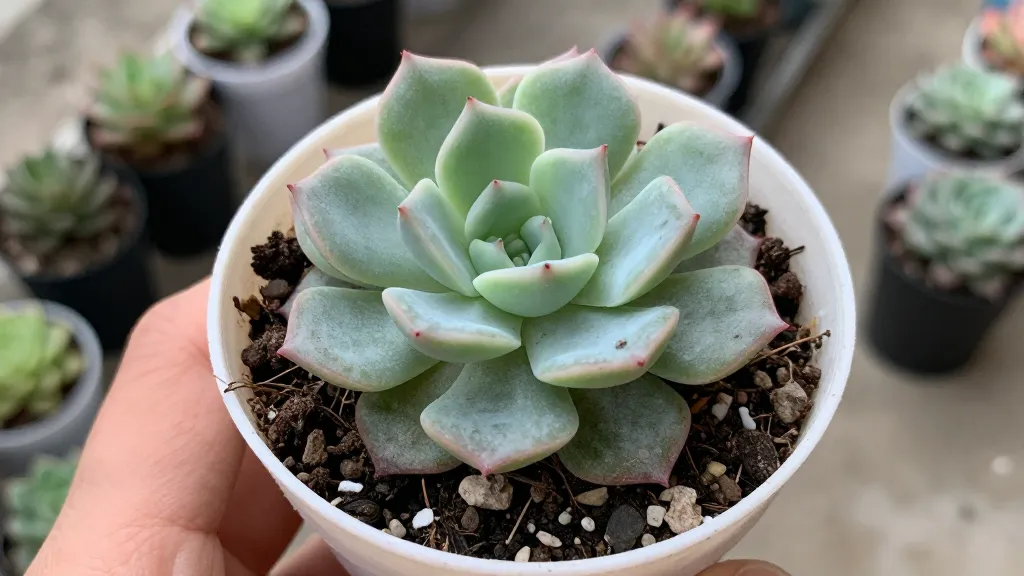
Gritty succulent soil is a specialized blend designed to meet the unique needs of plants that thrive in dry, well-drained conditions. This type of soil is essential for indoor plants, especially in urban environments where natural light is limited and overwatering is a common issue. By understanding the components and benefits of gritty succulent soil, you can create a nurturing environment that promotes healthy growth and prevents root rot.
Why Gritty Soil Works for Succulents
Succulents and other desert plants have evolved to store water in their leaves and stems, making them particularly vulnerable to overwatering. Gritty soil mimics their natural habitat by providing excellent drainage, allowing excess water to escape quickly. This prevents water from sitting around the roots, which can lead to fungal infections and root decay. The coarse texture of gritty soil also promotes air circulation, ensuring that the roots receive adequate oxygen.
What Makes a Good Succulent Soil Mix
A good succulent soil mix must strike a balance between aeration, drainage, and moisture retention. While gritty ingredients like pumice and coarse sand enhance drainage, they should be combined with materials that hold some moisture to prevent the soil from drying out too quickly. Perlite or vermiculite can be added to improve aeration and retain just enough moisture for the plant’s needs. The right mix ensures that the roots stay healthy and the plant can access nutrients without becoming waterlogged.
Gritty Succulent Soil Mix Ratio Guide
A well-balanced gritty succulent soil mix ratio is essential for promoting healthy root growth and preventing overwatering. The key to success lies in understanding how to proportion the ingredients to match your plant's specific needs.
Standard Ratio for Most Succulents
The standard ratio for most succulents is 3 parts gritty soil to 1 part organic material. This mix provides the right balance of drainage and moisture retention, allowing roots to access nutrients without becoming waterlogged. Gritty components like pumice or coarse sand ensure rapid water drainage, while organic matter such as compost or coconut coir adds essential nutrients. This ratio works well for most indoor succulents, especially those that thrive in drier conditions.
How to Customize the Mix for Your Plants
Customizing the mix depends on your plant's water needs and pot size. Plants that require more frequent watering may benefit from a slightly higher proportion of organic material, while those that prefer drier conditions should have more gritty components. Larger pots may need a more robust mix to accommodate root growth, whereas smaller pots can use a lighter blend. Always test the mix by checking the soil's moisture retention and drainage to ensure it meets your plant's unique requirements.
Choosing the Right Ingredients for Your Mix
Selecting the right ingredients is key to creating a soil mix that supports healthy succulent growth. The right combination ensures proper drainage, aeration, and stability, preventing issues like root rot and overwatering. Understanding which materials to include and which to avoid can make all the difference in the long-term health of your plants.
- Pumice is a porous material that enhances drainage and aeration in succulent soil.
- Coarse sand adds weight to the mix, helping to prevent compaction and maintain structure.
- Avoid using regular garden soil as it retains too much moisture and can lead to root rot.
- Mixing pumice and sand creates a balanced environment for root development and water movement.
Pumice: The Drainage Powerhouse
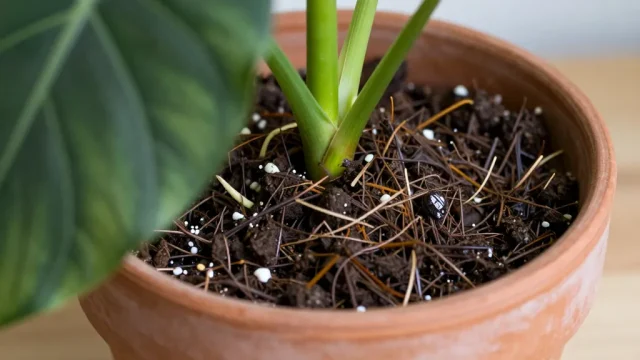
Pumice is a volcanic rock that is highly porous, making it an excellent addition to succulent soil. Its structure allows for rapid water drainage, reducing the risk of waterlogged roots. It also improves aeration, ensuring that the roots receive enough oxygen to thrive. Pumice is lightweight, which helps maintain the loose texture needed for succulents.
Incorporating pumice into your soil mix can significantly enhance drainage, especially in areas with high humidity or frequent watering. It acts as a natural sponge, absorbing excess water while allowing it to pass through the soil quickly. This property is crucial for preventing root rot and promoting healthy plant growth.
Coarse Sand: Stability and Drainage
Coarse sand is another essential ingredient that contributes to the stability and drainage of succulent soil. It adds weight to the mix, preventing the soil from becoming too loose or compacted over time. This helps maintain the structure of the soil, ensuring that roots have a firm foundation to grow in.
While sand is not a drainage powerhouse like pumice, it plays a vital role in maintaining the balance of your soil mix. It helps prevent the soil from becoming too dense, which can restrict airflow and water flow. When combined with pum, it creates an ideal environment for succulents to flourish.
Comparing Gritty Soil with Cactus Soil
Choosing the right soil for your succulents can be confusing, especially when comparing gritty succulent soil with cactus soil. While both are designed for drainage and aeration, they differ in composition, nutrient content, and suitability for specific plants. Understanding these differences helps you select the best mix for your indoor garden.
| Feature | Cactus Soil | Gritty Succulent Soil |
|---|---|---|
| Grit Content | High grit, often more sand | Moderate grit, with sand and other ingredients |
| Organic Matter | Low or none | May include some organic matter for nutrients |
| Drainage | Excellent | Excellent |
| Aeration | High | High |
| Nutrient Content | Minimal | Moderate |
| Best For | Cacti and desert plants | Succulents and low-light plants |
Cactus Soil vs Gritty Succulent Soil
Cactus soil is typically more gritty and has a higher proportion of sand, which supports the needs of cacti and other desert plants that require extreme drainage. In contrast, gritty succulent soil often includes some organic matter to provide nutrients, making it more suitable for a wider range of succulents. The inclusion of organic components helps support the growth of plants that may not thrive in purely inorganic soil.
When to Use Each Type
Use cactus soil when you're growing plants that are specifically adapted to arid environments, such as cacti and some desert shrubs. These plants benefit from the high sand content and minimal nutrients. Gritty succulent soil is better suited for indoor succulents, especially those that receive limited natural light. The added organic matter helps these plants absorb nutrients more efficiently, supporting their growth in less ideal conditions.
How to Prepare and Use Your Gritty Soil Mix
Once you've created your gritty succulent soil mix, proper preparation and usage are key to ensuring your plants thrive. This section covers the steps to mix, store, and use your soil effectively, helping you avoid common pitfalls like root rot and overwatering.
Mixing and Storing Your Soil
Mix the ingredients in a clean container to avoid contamination from dirt or pests. Ensure all components are dry before combining to prevent clumping. Once mixed, store the soil in an airtight container in a cool, dry place to maintain its structure and prevent moisture buildup. This helps preserve the soil's drainage properties and extends its usability.
Planting and Watering Tips
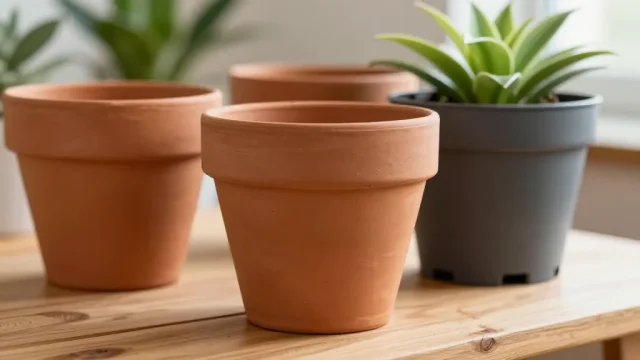
Use the gritty soil mix in pots with drainage holes to prevent water from pooling at the bottom. Without proper drainage, roots can become waterlogged and lead to rot. When planting, gently press the soil around the roots to secure the plant without compacting it. Water only when the top inch of soil is dry to the touch, and ensure excess water drains away completely. This approach mimics the natural conditions succulents thrive in, promoting healthy growth and preventing overwatering.
Frequently Asked Questions
Can I use regular potting soil for my succulents?
Regular potting soil retains too much moisture, which can lead to root rot. It's best to use a gritty succulent soil mix ratio to ensure proper drainage and prevent overwatering.
What should I do if my succulent is still soggy after watering?
Soggy soil indicates poor drainage. Check your mix ratio and consider adding more pumice or coarse sand to improve aeration and drainage.
How often should I repot my succulents in gritty soil?
Repot your succulents every 1 to 2 years or when the roots outgrow the pot. Gritty soil allows for better root growth and prevents compaction.
Is it possible to overwater succulents in gritty soil?
Yes, even in gritty soil, overwatering can occur. Allow the soil to dry out completely between waterings to avoid root rot and ensure healthy growth.
Final Thoughts
A gritty succulent soil mix ratio is essential for healthy plant growth. It ensures proper drainage, prevents waterlogging, and supports root development. Choosing the right ingredients like pumice and coarse sand can significantly improve your plant's health.
To get started, mix a standard gritty succulent soil ratio and customize it based on your plant's needs. Regularly monitor moisture levels and adjust your watering schedule accordingly.