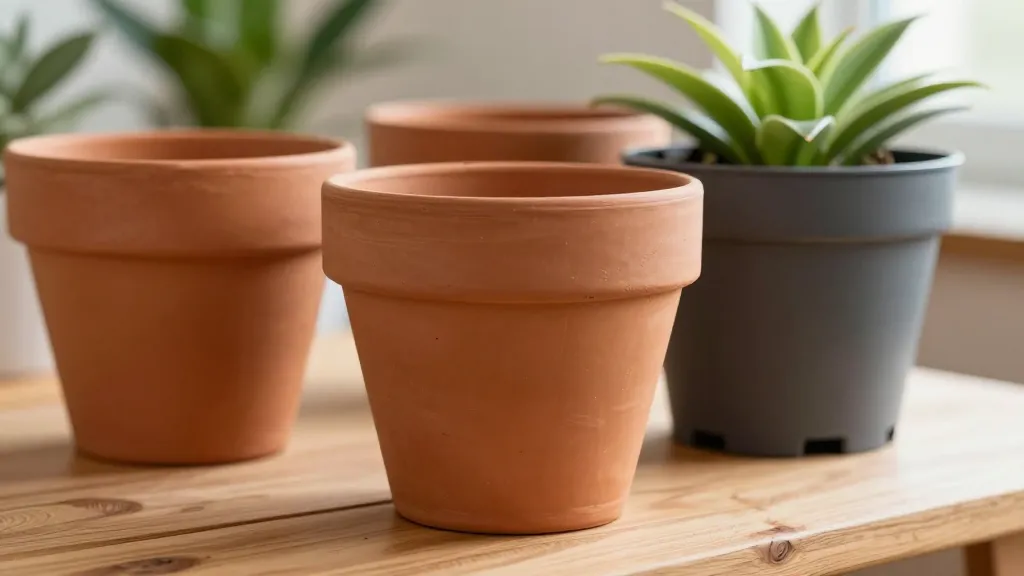
For apartment dwellers with limited natural light, keeping indoor plants healthy can be a challenge. Overwatering is a common issue, often leading to leaf yellowing and root rot. Choosing the right pot plays a key role in managing moisture levels. The terracotta vs plastic pots indoor plants debate is more than just aesthetics—it impacts how well your plants thrive. Terracotta pots are known for their breathability, while plastic pots offer affordability and durability. Understanding the differences between these two materials can help you make an informed choice for your indoor garden.
Terracotta pots are made from fired clay, which allows air and water to pass through the walls. This natural porosity helps regulate moisture, reducing the risk of overwatering. However, terracotta can dry out soil quickly, requiring more frequent watering. Plastic pots, on the other hand, are non-porous and retain moisture for longer, which can be beneficial for plants that need consistent hydration.
Both terracotta and plastic pots have their strengths, and the best choice depends on your plant’s needs and your watering habits. This article explores how each material affects moisture retention and drainage, helping you decide which pot is better for your indoor plants. Whether you’re a beginner or looking to refine your care routine, understanding these differences can lead to healthier, more vibrant plants.
Why Terracotta and Plastic Pots Are Popular for Indoor Plants
When choosing pots for indoor plants, terracotta and plastic are two of the most common materials. Each offers distinct advantages that cater to different needs, especially for apartment dwellers with limited natural light. Understanding the characteristics of these pots helps in making an informed decision that supports plant health and longevity.
Terracotta Pots: Breathable and Natural
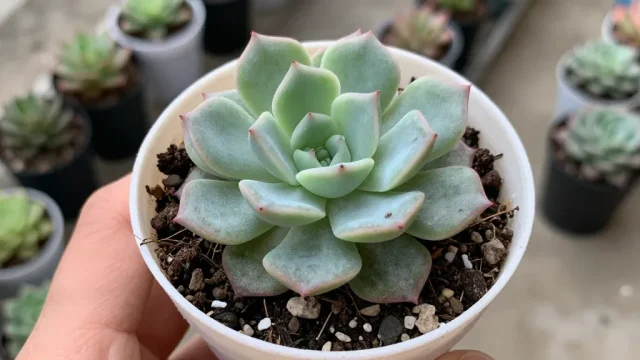
Terracotta pots are favored for their natural appearance and breathability. Made from fired clay, they allow air and moisture to pass through the walls, which can help prevent root rot by reducing excess moisture buildup. This natural porosity also makes terracotta pots ideal for plants that prefer well-drained soil, such as succulents and cacti. However, terracotta is more porous than plastic, which means it can dry out more quickly, requiring more frequent watering.
Plastic Pots: Affordable and Durable
Plastic pots are popular for their affordability and lightweight design. They are often more durable than terracotta and less prone to cracking, making them a practical choice for beginners. Plastic pots retain moisture better than terracotta, which can be beneficial for plants that require consistent soil moisture. However, this characteristic can also lead to overwatering if not managed carefully. Additionally, plastic pots are generally easier to clean and can come in a variety of colors and styles, offering more decorative options for indoor spaces.
How Moisture Retention Differs Between Terracotta and Plastic Pots
Moisture retention is a key factor in indoor plant care, as it directly affects how often you need to water your plants. Terracotta and plastic pots differ significantly in their ability to retain moisture, which can impact plant health and growth. Understanding these differences can help you choose the right pot for your indoor garden and avoid issues like overwatering or leaf yellowing.
Moisture Retention in Terracotta Pots
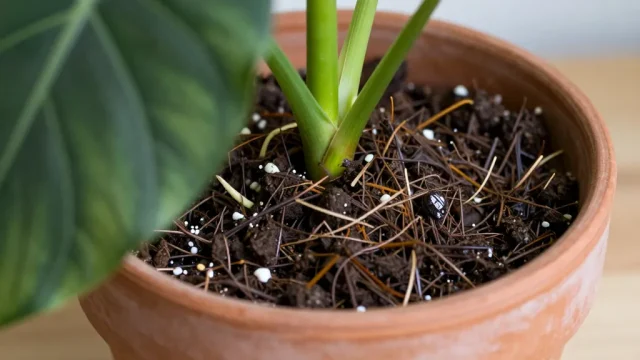
Terracotta pots are known for their natural porosity, which allows both air and water to pass through the walls. This property means that terracotta pots retain less moisture compared to plastic pots, reducing the risk of waterlogged soil. As a result, plants in terracotta pots often require more frequent watering, but the soil dries out more quickly, making it easier to monitor moisture levels. This can be especially beneficial for plants that prefer well-draining conditions.
Moisture Retention in Plastic Pots
Plastic pots, on the other hand, are less porous and do not allow moisture to escape as easily. This means they retain more water, which can lead to overwatering if not managed carefully. Plants in plastic pots may need to be watered less frequently, but the risk of root rot increases if the soil remains too wet for extended periods. To mitigate this, it's important to use a well-draining soil mix and ensure that pots have adequate drainage holes, regardless of the material.
Drainage Performance: Terracotta vs Plastic Pots
Drainage is a critical factor in the health of indoor plants, as poor drainage can lead to root rot and other issues. Terracotta and plastic pots differ significantly in their drainage capabilities, which can impact how well your plants thrive in your apartment environment.
Drainage in Terracotta Pots
Terracotta pots are naturally porous, which allows for better air and water movement through the material. This porosity helps the soil dry out more quickly, reducing the risk of waterlogged roots. However, the same property can also cause the pot to lose moisture faster, requiring more frequent watering. The drainage holes in terracotta pots are typically larger and more evenly distributed, which enhances the overall drainage performance.
Drainage in Plastic Pots
Plastic pots, on the other hand, are less porous and can retain more moisture in the soil. While this can be beneficial for plants that prefer consistently moist conditions, it also increases the risk of overwatering. Many plastic pots come with drainage holes, but these are often smaller or unevenly placed, which can lead to poor drainage. To improve drainage in plastic pots, it’s essential to ensure they have adequate drainage holes and to use a well-draining potting mix. Without proper drainage, plastic pots can contribute to root rot and other plant health issues.
Choosing the Right Pot for Your Indoor Plants
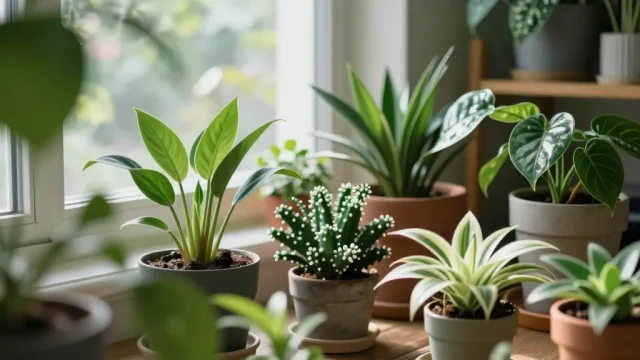
Selecting the right pot for your indoor plants depends on several factors, including your home’s light conditions, the specific needs of your plants, and your watering habits. Indoor plants often require different care based on the amount of light they receive. For example, plants in low-light areas may need more frequent watering, while those in brighter spots may dry out faster. Understanding these conditions will help you choose a pot that complements your environment and supports your plants’ health.
- Use terracotta pots for plants that prefer drier soil and good airflow.
- Choose plastic pots for plants that thrive in consistently moist conditions.
- Consider your home’s light conditions when selecting a pot type.
- Opt for terracotta if your plants are prone to overwatering or root rot.
- Select plastic pots for species that require frequent watering and stable moisture levels.
- Evaluate your watering habits to determine which pot material suits your routine.
- Match the pot type to the specific needs of your indoor plants for optimal growth.
Terracotta pots are ideal for plants that prefer drier soil and good airflow. They are particularly suited for species that are prone to root rot or require well-draining conditions. If your home has limited natural light and your plants are slow to grow, terracotta can help prevent overwatering by allowing the soil to dry out more quickly. This makes it a great option for beginners looking to avoid common pitfalls like yellowing leaves.
Tips for Improving Drainage and Moisture Control in Any Pot
Proper drainage and moisture control are essential for the health of indoor plants, regardless of the pot material. Even the best pots can fail if the soil remains too wet, leading to root rot and other issues. By taking proactive steps, you can ensure your plants receive the right amount of water without being overwatered. These measures are especially important for apartment dwellers with limited natural light, who may not have the luxury of frequent outdoor exposure to help plants dry out naturally.
- Use a well-draining potting mix to avoid waterlogging.
- Ensure pots have drainage holes to prevent root rot.
- Monitor soil moisture regularly to adjust watering schedules.
- Add a layer of gravel or broken pottery at the bottom of the pot to enhance drainage.
- Avoid using saucers that retain water for extended periods.
- Water thoroughly but only when the top inch of soil is dry to the touch.
One of the simplest and most effective ways to improve drainage is to use a well-draining potting mix. A mix that includes components like perlite, vermiculite, or coconut coir can help aerate the soil and speed up water movement. This is particularly important for plants that prefer drier conditions, such as succulents and cacti, which are commonly grown in indoor spaces with limited light.
Frequently Asked Questions
Do terracotta pots dry out faster than plastic pots?
Yes, terracotta pots dry out faster due to their porous nature, which allows moisture to escape more quickly than in plastic pots.
Can plastic pots be used for plants that prefer well-drained soil?
Yes, plastic pots can be used for well-drained soil plants if you add drainage holes and use a well-draining potting mix.
How often should I water plants in terracotta versus plastic pots?
Water terracotta pots more frequently due to their faster drying properties, while plastic pots require less frequent watering.
What can I do if my plant is overwatered in a plastic pot?
If your plant is overwatered in a plastic pot, allow the soil to dry out, check for root rot, and ensure proper drainage with added drainage layers.
Final Thoughts
Selecting the right pot depends on your plants' needs, with terracotta offering breathability and plastic providing durability. Consider moisture retention and drainage to ensure optimal plant health.
To improve drainage in any pot, use a well-draining mix and add drainage holes. Regularly check soil moisture levels, and adjust watering schedules accordingly for the best results.