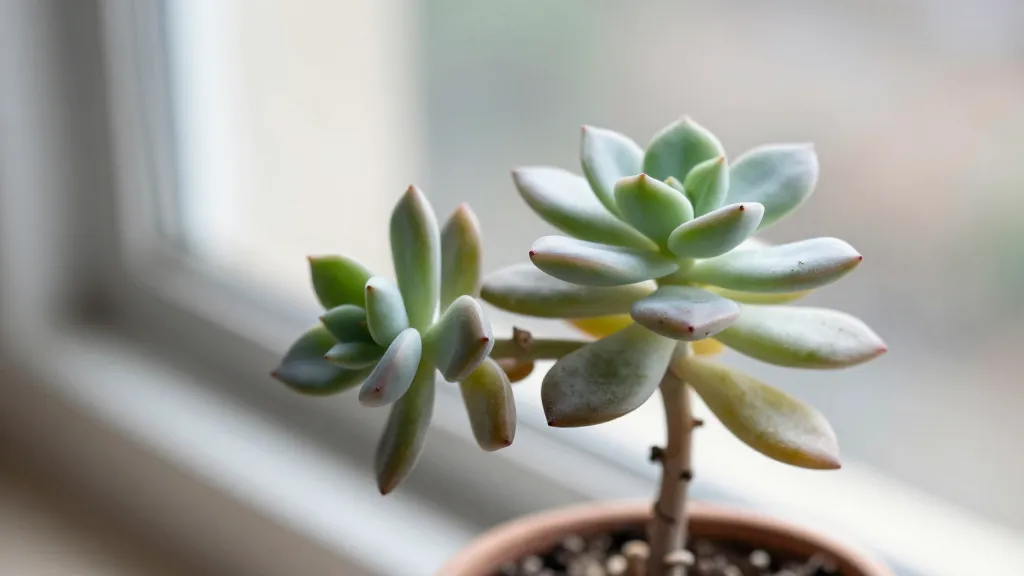
If your succulents are stretching, leaning, or showing yellowing leaves, you're likely dealing with succulent stretching etiolation fix. This condition, known as etiolation, occurs when plants stretch toward light due to insufficient exposure. Urban apartment dwellers often face this issue due to limited natural light, leading to weak, leggy growth. Understanding the causes and solutions is key to reviving your plants and preventing further damage. Etiolation is a natural response to low light, but it weakens the plant's structure and can lead to long-term health problems. Fortunately, there are practical steps you can take to correct this issue, such as adjusting light placement, using grow lights, and even beheading stretched stems. These methods can help your succulents recover and grow stronger. This article covers the causes of etiolation, how to fix it with light adjustments, the role of beheading in recovery, and tips to prevent future stretching. Whether you're new to succulents or a seasoned grower, these insights will help you maintain healthy, vibrant plants in any living space.
Understanding Succulent Stretching and Etiolation
Succulent stretching and etiolation are common issues that signal a lack of light, often mistaken for overwatering or disease. These symptoms can be misleading, as urban apartment dwellers may not realize that their plants are reaching for light rather than suffering from poor care. Recognizing the signs early is crucial to preventing long-term damage and ensuring the health of your succulents.
What Is Etiolation in Plants?
Etiolation is a condition in plants caused by insufficient light, leading to elongated stems and pale, weak growth. It occurs when a plant cannot produce enough chlorophyll to support normal development, resulting in a stretched, leggy appearance. Etiolated succulents often have thin, pale leaves and a general lack of vigor, which can make them more susceptible to diseases and pests.
Why Do Succulents Stretch in Low Light?
Succulents stretch in low light as a survival mechanism to reach more sunlight. When light levels are too low, the plant elongates its stems to maximize exposure, even if this results in a weakened structure. This stretching is a clear sign that the plant is not receiving adequate light, and if left unaddressed, it can lead to permanent damage. Identifying this issue early allows for timely adjustments to light conditions and proper care.
Fixing Etiolation by Adjusting Light Conditions
Adjusting light conditions is one of the most effective ways to fix succulent stretching and etiolation. By moving the plant to a brighter location and using grow lights when necessary, you can encourage compact growth and restore the plant's natural color. However, it’s crucial to introduce light gradually to avoid shocking the plant and causing further stress.
How to Place Succulents for Optimal Light
Place your succulent near a south- or east-facing window where it can receive bright, indirect light. Avoid placing it in direct sunlight initially, as this can cause sunburn and damage the already weakened plant. If natural light is limited, consider rotating the plant regularly to ensure even light exposure across all sides. This helps prevent uneven growth and promotes a more balanced shape.
Using Grow Lights for Etiolation Fix
Grow lights are an excellent solution when natural light is insufficient or inconsistent, especially for urban apartment dwellers. Choose a full-spectrum LED grow light that mimics natural sunlight and place it about 6 to 12 inches above the plant. Start with a lower intensity and gradually increase the light duration and strength over a few weeks to acclimate the plant. Monitor the plant closely for signs of sunburn, such as yellowing or browning leaves, and adjust the distance or intensity accordingly.
Beheading: A Practical Fix for Stretched Succulents
Beheading is an effective technique to address succulent stretching caused by etiolation. By cutting back elongated stems, you can stimulate bushier growth and improve the plant’s overall appearance. This method is especially useful when the stems are still firm and the roots are healthy, making it a practical solution for urban gardeners with limited natural light.
- Assess the plant’s stem strength and root health before beheading.
- Use sterilized, sharp shears or scissors to make clean cuts above a node.
- Place the cuttings in bright, indirect light to encourage new growth.
- Monitor the plant for signs of recovery and adjust care as needed.
When to Behead a Stretched Succulent
Beheading is most effective when the succulent has strong, healthy stems and well-developed roots. If the stems are weak or the roots are damaged, the plant may not recover properly. Look for signs such as elongated, pale stems and yellowing leaves, which indicate the need for intervention. Before cutting, ensure the plant is in a stable environment with adequate light to support recovery.
How to Perform Beheading Correctly
To perform beheading correctly, position the cutting tool just above a node on the stem. This encourages the plant to grow new shoots from that point, resulting in a more compact shape. Avoid cutting too close to the base, as this can damage the plant’s ability to regenerate. After cutting, place the plant in a location with bright, indirect light, as direct sunlight can stress the weakened stems and slow recovery.
Preventing Future Etiolation: Light and Maintenance Tips
Preventing future etiolation requires consistent care and attention to light, watering, and maintenance. By implementing simple strategies, urban gardeners can ensure their succulents thrive even in low-light environments.
Tips for Preventing Etiolation in the Future
Regularly rotating your succulent ensures even light exposure, which prevents stretching and promotes balanced growth. Turn the pot a quarter turn weekly to encourage uniform development. This practice is especially important for plants in fixed positions, such as windowsills or shelves, where light intensity may vary throughout the day.
How to Maintain Healthy Succulent Growth
Trimming stretched stems regularly helps maintain the plant's shape and encourages new growth from the base. Use clean, sharp scissors to cut back elongated parts, which can also help reduce the risk of disease. This technique not only improves the plant's appearance but also redirects energy toward producing stronger, more compact foliage. Avoid overwatering, as excess moisture can worsen etiolation by weakening the plant’s ability to absorb nutrients and support growth. Instead, water only when the soil is completely dry to the touch.
Common Mistakes and How to Avoid Them
Fixing etiolation requires careful attention to avoid common pitfalls that can worsen the problem. Many mistakes stem from misinterpreting the issue or applying incorrect care methods. By understanding these errors and how to avoid them, you can help your succulents recover more effectively.
Mistakes to Avoid When Fixing Etiolation
One of the most common mistakes is placing succulents too close to light sources, such as windows or grow lights, which can cause sunburn. This burns the leaves and adds stress to an already weakened plant. Instead, position your succulents at a safe distance from direct light, ensuring they receive enough illumination without being scorched.
How to Care for a Recovering Etiolated Succulent
Overwatering is another frequent error when addressing etiolation. While succulents need some moisture, excessive watering can lead to root rot and further damage. Focus on allowing the soil to dry out completely between waterings, and only water when the top few inches of soil are dry. Avoid using fertilizers during recovery, as they can intensify stress on the plant.
Beheading should also be approached with care to avoid harming the plant. Cutting too deep or at the wrong angle can damage the stem and hinder recovery. Use clean, sharp tools and make precise cuts just above a leaf node to encourage new growth. After beheading, keep the plant in a stable environment with appropriate light and water to support its healing process.
Frequently Asked Questions
Can stretched succulents recover without beheading?
Stretched succulents can recover without beheading if light conditions are improved. However, recovery may be slow and less effective without pruning. Ensure the plant receives adequate light to encourage compact growth.
How long does it take for a succulent to recover from etiolation?
Recovery from etiolation can take several weeks to months, depending on light exposure and plant health. Consistent bright light and proper care will accelerate the process.
Is etiolation the same as stretching?
Etiolation and stretching are related but not the same. Etiolation refers to the overall condition caused by lack of light, while stretching is a visible symptom of this condition.
Can I use a regular lamp instead of a grow light?
A regular lamp can provide light, but it may not offer the right spectrum for optimal plant growth. Grow lights are more effective at promoting healthy succulent development.
Final Thoughts
Addressing succulent stretching and etiolation requires attention to light, distance, and pruning. By adjusting light conditions and using grow lights, you can encourage healthy growth. Beheading is a practical solution for already stretched succulents.
Prevent future etiolation with proper maintenance and consistent care. Avoid common mistakes like overwatering and insufficient light. With the right approach, your succulents can thrive and maintain their compact form.