Tropical plants thrive in environments with high humidity, but many indoor gardeners struggle to recreate these conditions, especially in urban settings with limited natural light. If your tropical plants are showing signs of distress, such as brown leaf tips or wilting, low humidity might be the culprit. Learning how to increase humidity for tropical plants can help revive them and promote healthier growth. This article provides simple, practical techniques to boost humidity levels without requiring advanced equipment or expertise.
From using pebble trays to selecting the right humidifier, we’ll explore methods that are easy to implement and effective for beginners. Whether you’re dealing with a small space or a collection of houseplants, these strategies can make a significant difference in your plant’s well-being. Understanding the basics of humidity needs and how to measure them is also crucial for long-term success.
By following these steps, you’ll create an optimal environment for your tropical plants, ensuring they receive the moisture they need to flourish. This guide is designed to help urban gardeners with limited natural light and basic gardening knowledge take control of their indoor plant care with confidence and simplicity.
Why Humidity Matters for Tropical Plants
Humidity plays a crucial role in the health and vitality of tropical plants, which are naturally adapted to high-moisture environments. These plants thrive in conditions that mimic their native habitats, where air is consistently damp and temperatures are warm. Maintaining the right humidity level indoors can prevent common issues like leaf damage and slow growth, helping your plants flourish even in a home setting.
Understanding Tropical Plant Humidity Needs
Tropical plants, such as ferns, orchids, and monstera, have evolved to survive in humid climates with high rainfall and frequent misting. In their natural environments, these plants receive moisture from the air, which is essential for their physiological processes, including nutrient absorption and photosynthesis. Indoor settings often lack this natural humidity, making it necessary to replicate these conditions manually to ensure the plant's well-being.
Common Signs of Low Humidity in Indoor Plants
When humidity levels drop below the optimal range, tropical plants show distinct signs of distress. Leaf curling, browning at the edges, and overall stunted growth are common indicators that the air is too dry. These symptoms occur because the plant cannot efficiently transport water and nutrients through its leaves, leading to stress and reduced vitality. Monitoring these signs early can help you adjust humidity levels before irreversible damage occurs.
The Best Humidity Methods for Indoor Plants
When it comes to increasing humidity for tropical plants, there are several methods that can be tailored to your space and needs. Each approach has its own benefits and considerations, so selecting the right one depends on your setup and how much effort you're willing to invest.
- Pebble trays are a simple and effective way to add humidity.
- Humidifiers provide consistent moisture but require regular maintenance.
- Grouping plants together can naturally increase ambient humidity.
- Misting is a quick fix but not the most sustainable method.
Using a Pebble Tray for Plant Humidity
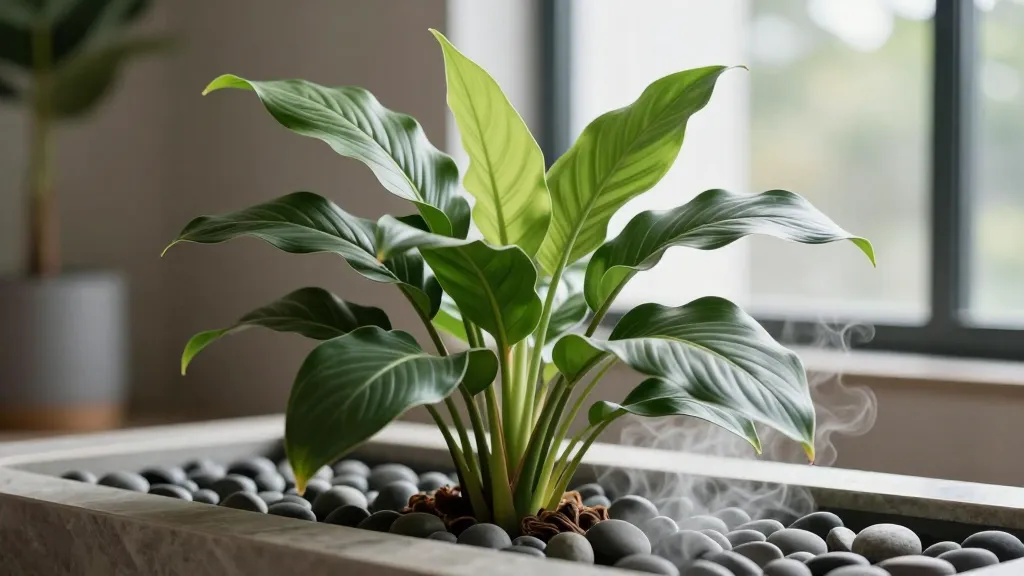
Pebble trays are a simple and effective way to add humidity. They work by placing a tray filled with pebbles and water near the plant. As the water evaporates, it increases the humidity around the plant without overwatering the soil. This method is ideal for beginners and requires minimal maintenance, making it a reliable choice for indoor gardening.
Choosing the Right Humidifier for Your Plants
Humidifiers provide consistent moisture but require regular maintenance. These devices release moisture into the air, creating a more stable humidity environment for your plants. However, they need to be cleaned regularly to prevent mold and mineral buildup, which can affect both the plant and the air quality. Choosing the right size and type of humidifier can make a significant difference in maintaining optimal humidity levels.
How to Set Up a Pebble Tray for Plants
Setting up a pebble tray is a simple and effective way to boost humidity for your tropical plants. This method mimics the natural moisture-rich environment these plants thrive in, without the need for complex equipment. By following a few key steps, you can create a sustainable humidity solution that benefits your indoor garden.
- Select a shallow tray with a layer of pebbles or gravel.
- Place the pot on top of the pebbles to allow water to collect below.
- Fill the tray with water, but keep the pot elevated to avoid root rot.
- Refresh the water regularly to prevent bacterial buildup.
Materials You’ll Need for a Pebble Tray
To create a pebble tray, start by selecting a shallow tray that can hold water without overflowing. The tray should be large enough to accommodate the pot and allow for a layer of pebbles or gravel. Choose materials that are non-porous and easy to clean, such as ceramic or plastic, to prevent bacterial growth.
Steps to Create an Effective Humidity Tray
Once the tray is prepared, place your pot on top of the pebbles. This allows water to collect beneath the tray, increasing the humidity around the plant without saturating the soil. Ensure the pot sits on the pebbles and not directly in the water to avoid waterlogging the roots. The water will evaporate, creating a moist microclimate that benefits your tropical plants.
Fill the tray with water, but keep the pot elevated to prevent root rot. The water level should be sufficient to allow evaporation but not so high that it touches the pot. Regularly refresh the water to maintain cleanliness and prevent the growth of algae or bacteria. This simple maintenance ensures the tray remains effective and safe for your plants.
Where to Place Your Humidifier for Maximum Effect
Proper placement of your humidifier is crucial for ensuring your tropical plants receive consistent moisture without risking damage from excessive humidity or contamination.
- Position the humidifier near your plants but not directly on the leaves.
- Avoid placing it too close to vents or heating sources.
- Use a humidifier with a built-in hygrometer to monitor humidity levels.
- Regularly clean the unit to prevent mold and mineral buildup.
Optimal Humidifier Placement for Indoor Plants
Place your humidifier within a few feet of your tropical plants to ensure they benefit from the moisture without being exposed to overly high humidity levels. Keep the unit away from direct contact with leaves to avoid condensation, which can lead to fungal issues. A distance of 12 to 24 inches is typically ideal, allowing the humidity to spread naturally throughout the air.
Maintaining a Humidifier for Long-Term Use
To maintain your humidifier's efficiency and hygiene, clean the unit regularly to prevent the buildup of mold, bacteria, and mineral deposits. This is especially important if you're using tap water, which can leave mineral residues. Cleaning the tank and filters at least once a month will help extend the unit's lifespan and ensure it continues to provide clean, moist air. Always follow the manufacturer's guidelines for specific cleaning instructions.
Tips for Maintaining Healthy Humidity Levels
Maintaining healthy humidity levels for tropical plants requires consistent monitoring and thoughtful adjustments. While increasing humidity is essential, it’s equally important to ensure it remains within the optimal range for your plants and environment. Regular checks and a balanced approach will help you avoid common pitfalls like overwatering or excessive moisture that can harm your plants.
How to Measure and Monitor Indoor Humidity
To accurately track humidity levels, use a hygrometer, which measures the moisture content in the air. Place the device near your plants but away from direct heat sources or drafts to get an accurate reading. Aim for a humidity level between 40% and 60%, depending on the specific needs of your tropical plants. Regularly checking the hygrometer will help you identify trends and adjust your methods accordingly.
Balancing Humidity with Watering Practices
While increasing humidity is crucial, it should not replace proper watering practices. Overwatering can lead to root rot, which undermines the benefits of higher humidity. Ensure the soil dries out slightly between waterings, and use well-draining potting mix to prevent waterlogged roots. Adjust both humidity and watering based on the season—some plants may need more moisture in winter and less in summer. Combining methods like pebble trays and humidifiers can provide a more stable environment for your tropical plants.
Frequently Asked Questions
Can I use a regular humidifier for my tropical plants?
Yes, you can use a regular humidifier for tropical plants, provided it is clean and properly maintained. Ensure the humidifier is placed near your plants to maximize humidity benefits. Avoid using humidifiers with essential oils or fragrances, as they can be harmful to sensitive tropical plants.
How often should I change the water in a pebble tray?
You should change the water in a pebble tray every 3 to 5 days to prevent stagnation and bacterial growth. If the water becomes cloudy or smells, change it sooner. Always use fresh, room-temperature water for best results.
Is misting a good way to increase plant humidity?
Misting can temporarily increase humidity around your plants, but it is not as effective as other methods like pebble trays or humidifiers. Misting also risks overwatering and leaf damage. Use it sparingly and focus on more reliable humidity solutions for long-term benefits.
What should I do if my humidifier is causing mold growth?
If your humidifier is causing mold growth, clean it regularly with a mild disinfectant and ensure it is placed in a well-ventilated area. Avoid over-saturating the air and consider using a humidifier with a built-in filter. Regular maintenance will help prevent mold and keep your plants healthy.
Final Thoughts
Maintaining proper humidity levels is crucial for the health of tropical plants. By using methods like pebble trays, humidifiers, and careful watering, you can create an optimal environment. Regular monitoring and adjustments are key to long-term success.
To get started, assess your current humidity levels and choose the most suitable method for your setup. Combine these techniques with proper watering and light conditions for the best results.