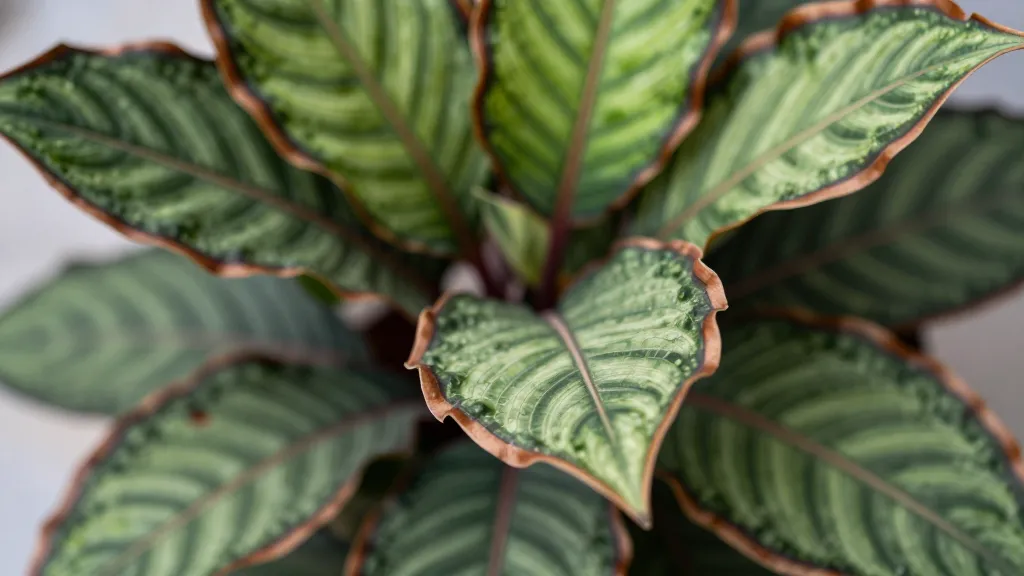
If your Calathea is showing crispy, brown leaf edges, you're not alone. This common issue can be frustrating, especially when you're trying to keep your indoor plant healthy with limited natural light. The main keyword here is calathea crispy brown leaf edges, and understanding why this happens is the first step toward fixing it. Calathea plants are known for their striking foliage, but they require specific care to thrive. In this article, we’ll explore the causes of crispy, brown leaf edges and provide actionable solutions to restore your plant’s health. Whether you're a beginner or an experienced indoor gardener, these tips will help you troubleshoot and maintain your Calathea effectively.
Crispy, brown leaf edges on a Calathea can signal a range of issues, from improper watering to environmental stressors. These plants are sensitive to changes in their surroundings, making them a challenge for those without consistent natural light. The key to solving this problem lies in identifying the root cause, which often involves adjusting your care routine. By understanding the factors that contribute to leaf browning, you can take steps to create the ideal growing conditions for your plant. This article will guide you through the most common causes and practical fixes to prevent further damage.
From mineral buildup in tap water to low humidity levels, several factors can lead to crispy, brown leaf edges on a Calathea. The solutions are straightforward but require consistent attention to detail. By following a few simple steps, you can improve your plant’s health and prevent future issues. Whether it's adjusting your watering schedule, increasing humidity, or using the right type of water, there are multiple ways to address this problem. With the right care, your Calathea can flourish, even in low-light environments.
Understanding Calathea Crispy Brown Leaf Edges
Crispy brown leaf edges on Calathea are a common issue that can be caused by environmental factors or care mistakes. These symptoms often signal underlying problems with humidity, water quality, or light exposure. Calathea plants are sensitive and require specific conditions to thrive, making it essential to understand the root causes of leaf browning to address the issue effectively.
What Is a Calathea Plant?
Calathea is a genus of tropical plants known for their striking, patterned leaves and air-purifying qualities. These plants are native to the rainforests of South America and thrive in warm, humid environments with indirect light. Calathea species, such as Calathea orbifolia and Calathea makoyana, are popular indoor plants due to their ornamental appeal and ability to add a touch of greenery to any space. However, their delicate nature means they are easily affected by changes in their surroundings.
Why Do Calathea Leaves Turn Brown?
Brown leaf edges on Calathea typically result from environmental stressors that disrupt the plant's natural balance. One common cause is low humidity, as these plants require consistently moist air to maintain their vibrant foliage. Dry air can lead to dehydration, causing the leaf edges to dry out and turn brown. Another factor is tap water, which often contains minerals like calcium and magnesium that can build up on the leaves, leading to crispy edges. Additionally, improper light conditions, such as too much direct sunlight or insufficient light, can also contribute to leaf browning. Understanding these factors is the first step in diagnosing and solving the problem.
Tap Water Minerals and Their Impact on Calathea
Tap water is a common source of irrigation for indoor plants, but it can be harmful to calathea due to its mineral content. These minerals, such as calcium and magnesium, can accumulate on the leaves, leading to crispy brown edges. Over time, this buildup can disrupt the plant's ability to absorb water and nutrients, causing further stress and browning. Understanding the impact of tap water is essential for maintaining healthy calathea plants.
Why Tap Water Is Not Ideal for Calathea
Tap water often contains dissolved minerals that are not suitable for calathea. These minerals, while harmless to humans, can form deposits on the leaves, which act as a barrier to moisture and nutrients. The accumulation of these deposits can lead to leaf edges turning crispy and brown. Additionally, mineral buildup can clog the plant's pores, reducing its ability to transpire effectively. This can result in dehydration and stress, even if the plant is being watered regularly.
The presence of these minerals can also affect the soil's pH, making it less hospitable for the calathea's root system. Over time, this can lead to poor nutrient uptake and stunted growth. The combination of mineral buildup on the leaves and in the soil creates a challenging environment for the plant, making it more susceptible to browning and other health issues.
How to Treat Mineral Buildup on Leaves
To mitigate the effects of mineral buildup, it's recommended to use filtered or distilled water for calathea. These water sources have had most of the minerals removed, reducing the risk of leaf damage. However, if switching to filtered or distilled water is not feasible, regular rinsing of the leaves can help remove surface deposits. This can be done by gently spraying the leaves with a mixture of water and a small amount of vinegar, which helps dissolve the mineral buildup.
Another effective method is to use a soft cloth or sponge to wipe the leaves, removing any visible residue. This not only helps prevent browning but also keeps the plant looking its best. Regularly cleaning the leaves can also improve the plant's ability to photosynthesize, promoting healthier growth. By addressing mineral buildup proactively, indoor plant enthusiasts can significantly improve the health and appearance of their calathea.
Low Humidity and Calathea Health
Low humidity is a common challenge for indoor plant owners, especially those with Calathea, which naturally flourish in tropical environments. These plants require consistently high humidity levels to maintain their vibrant foliage, and when indoor air becomes too dry, the leaf edges can develop crispy, brown tips. Understanding how to measure and adjust humidity levels is crucial for restoring and maintaining the health of your Calathea.
How to Measure and Improve Humidity
To determine the humidity level in your home, use a hygrometer, which provides an accurate reading of the air's moisture content. Ideal humidity for Calathea typically ranges between 50% and 70%, though some varieties may thrive in higher levels. If your home's humidity falls below this range, the plant's leaves will struggle to retain moisture, leading to browning at the edges. Regularly monitoring humidity helps you make timely adjustments to prevent further damage.
Humidifiers and Misting: Which Works Best?
Humidifiers are an effective way to increase moisture levels in your home, especially in dry climates or during winter months when heating systems reduce humidity. Choose a cool-mist humidifier to avoid overheating, and place it near your Calathea to ensure the plant benefits directly from the added moisture. Alternatively, misting the leaves with a spray bottle can provide temporary relief, though it may not be as consistent as a humidifier. Both methods can help mitigate the effects of low humidity, but long-term solutions often require a combination of strategies to maintain stable conditions.
Step-by-Step Fixes for Crispy Brown Leaf Edges
Fixing crispy brown leaf edges on your Calathea requires a focused approach to watering, water quality, and humidity. By adjusting these factors, you can reverse the damage and restore your plant's health. Here are the essential steps to take.
- Use filtered or distilled water to avoid mineral buildup.
- Water only when the top inch of soil is dry to prevent overwatering.
- Maintain humidity levels between 40-60% using a humidifier or regular misting.
- Inspect the plant for pests and treat any infestations promptly.
Watering Tips for Calathea
Watering is one of the most critical aspects of Calathea care. These plants prefer consistently moist but not waterlogged soil. To avoid overwatering, check the soil regularly and only water when the top inch feels dry. Using a pot with drainage holes is essential to prevent root rot. Avoid letting the plant sit in standing water, as this can lead to fungal issues and leaf browning.
Humidity Solutions for Indoor Plants
Humidity is vital for Calathea, as these tropical plants thrive in environments with high moisture levels. To increase humidity, place the plant on a tray of pebbles with water, ensuring the pot isn't sitting directly in the water. Alternatively, use a humidifier to maintain consistent humidity levels between 40-60%. Misting the leaves can also help, but it should be done daily for best results. Avoid placing the plant near air vents or heating sources, as these can cause rapid moisture loss.
Preventing Future Leaf Browning
Preventing future leaf browning requires proactive care and consistent attention to the Calathea's needs. By creating a stable environment and following a structured maintenance routine, you can ensure your plant thrives and avoids the stress that leads to crispy brown edges.
Maintaining Optimal Plant Conditions
Maintaining optimal conditions is key to long-term Calathea health. Regularly check light exposure, humidity levels, and temperature to ensure they remain within the plant's preferred range. Avoid placing the plant near drafty areas or heat sources, as sudden fluctuations can stress the leaves. Use a hygrometer to monitor humidity and adjust it as needed, either through misting, a humidifier, or grouping plants together.
Pruning and Care Routine for Calathea
A consistent pruning and care routine helps remove damaged leaves and encourages new, healthy growth. Use clean, sharp scissors to trim brown or crispy edges, which not only improves the plant's appearance but also prevents the spread of potential pests or diseases. Additionally, inspect the plant regularly for signs of pests or disease, and address any issues promptly. By incorporating these practices into your care schedule, you can support your Calathea's resilience and longevity.
Frequently Asked Questions
Can I use tap water for my Calathea plant?
Tap water can cause mineral buildup on Calathea leaves. Use filtered or distilled water to prevent leaf browning. Let tap water sit for 24 hours to reduce chlorine before use.
How often should I mist my Calathea?
Mist your Calathea 2-3 times a week to increase humidity. Avoid misting directly on leaves to prevent fungal issues. Use a spray bottle for even coverage.
What should I do if my Calathea leaves are turning brown?
Check for low humidity, overwatering, or mineral buildup. Adjust watering, increase humidity, and use filtered water. Trim brown leaves to maintain plant health.
How can I tell if my Calathea is getting enough humidity?
Monitor leaf crispiness and curling. Use a hygrometer to measure humidity. If leaves are dry and curled, increase humidity with a humidifier or pebble tray.
Final Care Tips
Proper care for your Calathea involves addressing water quality, humidity levels, and watering frequency. Regularly monitor leaf condition and adjust care routines to prevent browning.
To keep your Calathea healthy, use filtered water, maintain humidity between 40-60%, and trim damaged leaves. Consistent care will ensure your plant thrives.