Spider mites on indoor plants are a common yet frustrating issue for plant owners, especially those with limited natural light. These tiny pests can quickly multiply and damage foliage, leading to yellowing leaves and stunted growth. If you're noticing small specks on your plants or a web-like coating, you may be dealing with a spider mite infestation. This guide will walk you through the steps to identify and remove these pests effectively. Whether you're a new plant parent or a seasoned gardener, understanding how to combat spider mites is key to keeping your indoor plants healthy and thriving.
The first step in tackling spider mites is recognizing the signs of an infestation. These pests are often hard to spot with the naked eye, but their presence can be detected through visible symptoms like webbing, discoloration, and leaf stippling. Early detection is crucial for successful treatment, as spider mites can spread quickly if left unchecked. By learning how to identify these tiny invaders, you can take action before the problem worsens.
Once you've confirmed the presence of spider mites, there are several practical methods to remove them. From simple leaf wipes to natural remedies like neem oil and insecticidal soap, this guide offers clear, actionable steps tailored for apartment dwellers with limited space and light. Preventative care is also emphasized to avoid future infestations, ensuring your indoor plants remain healthy for years to come.
Understanding Spider Mites and Their Impact on Indoor Plants
Spider mites are a common threat to indoor plants, often going unnoticed until significant damage has occurred. These tiny, spider-like pests feed on plant sap, weakening the plant and leading to visible symptoms. Understanding their behavior and impact is essential for early detection and effective management.
What Are Spider Mites?
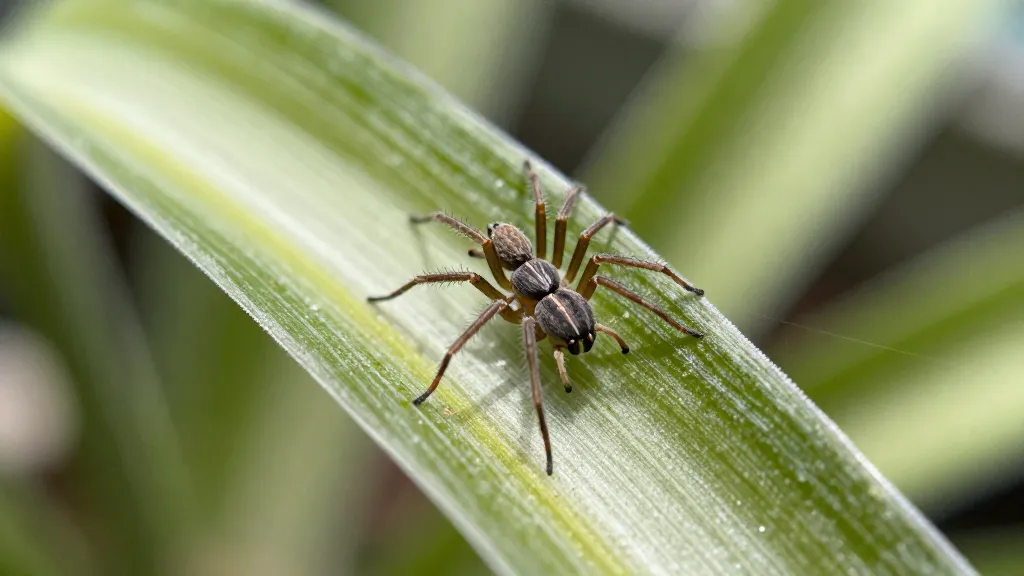
Spider mites are microscopic arachnids that belong to the Tetranychidae family. They are typically less than 1 millimeter in size, making them difficult to spot without magnification. These pests are often found on the undersides of leaves, where they congregate in large numbers. Despite their small size, they can cause substantial harm to indoor plants by feeding on their sap, which deprives the plant of essential nutrients.
Signs of a Spider Mite Infestation
The first signs of a spider mite infestation are often subtle, such as fine webbing on leaves and a stippled appearance. As the infestation progresses, leaves may turn yellow, curl, or develop a dusty coating. In severe cases, the plant may experience stunted growth, wilting, and even death. Early identification is critical, as spider mites can multiply rapidly and spread to other plants in the home. Regular inspection of leaves, especially the undersides, can help catch an infestation before it becomes unmanageable.
How to Identify Spider Mites on Indoor Plants
Identifying spider mites on indoor plants requires careful observation and attention to subtle changes in plant health. These tiny pests are often difficult to spot without the right tools and knowledge, but early detection is key to preventing widespread damage. By focusing on specific physical signs and behavioral patterns, you can determine if your plants are under attack and take action before the infestation becomes severe.
Physical Signs of Spider Mites
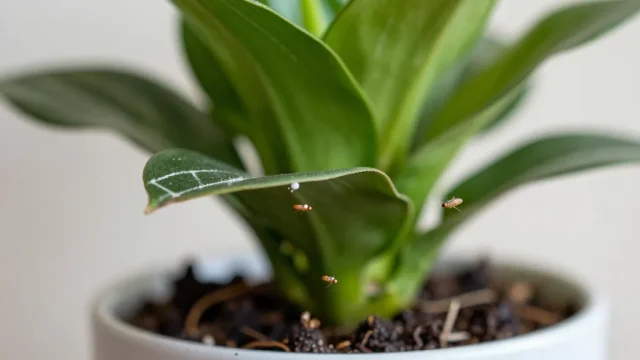
Physical signs of spider mites include tiny, moving specks on the leaves, especially on the underside where they tend to congregate. These pests are usually less than 1 mm in size and can range in color from red, green, or brown, depending on the species. They are often difficult to see with the naked eye, so using a magnifying glass or a smartphone magnifier app can help reveal their presence. Additionally, spider mites leave behind fine webbing that connects leaves or stems, which is a clear indicator of their activity.
When to Suspect a Mite Infestation
When to suspect a mite infestation depends on the combination of symptoms observed. Leaf yellowing, curling, or stippling are common signs that indicate stress from spider mites. Stippling appears as small, discolored spots on the leaf surface, often giving the plant a dusty appearance. These symptoms are typically more pronounced on the upper leaves, where mites are less likely to be found. If you notice a combination of these signs along with the presence of tiny specks or webbing, it is highly likely that your plants are infested with spider mites.
Effective Methods to Remove Spider Mites
Removing spider mites requires a combination of gentle action and targeted treatment to ensure all life stages are addressed. Starting with a simple leaf wipe can help eliminate visible pests, while more persistent infestations may need stronger interventions like neem oil or insecticidal soap.
- Start with a gentle leaf wipe to remove visible mites and webbing.
- Use insecticidal soap or neem oil for a more thorough treatment.
- Apply treatments in the early morning to avoid leaf burn.
- Repeat treatments at intervals to ensure all life stages are targeted.
Leaf Wipe: A Simple First Step
A gentle leaf wipe is an effective first step in removing spider mites. Using a damp cloth or sponge, wipe the upper and lower surfaces of the leaves to dislodge visible mites and their webbing. This method is ideal for small infestations and helps reduce the population before resorting to chemical treatments. It also allows you to inspect the plant closely for signs of more serious infestations.
Using Neem Oil and Insecticidal Soap
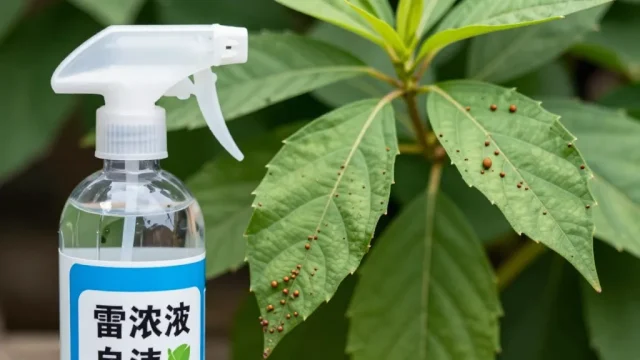
For more persistent infestations, insecticidal soap or neem oil can be used to target spider mites effectively. Insecticidal soap works by disrupting the mites' cell membranes, while neem oil acts as both an insecticide and a natural repellent. Both should be applied thoroughly, ensuring coverage of both sides of the leaves. It’s important to apply these treatments in the early morning to avoid leaf burn, especially when using neem oil.
Repeat treatments at intervals of 7 to 10 days to ensure that all life stages of the mites, including eggs, are eliminated. This is crucial because spider mites can lay eggs that are resistant to some treatments. Consistent application will help break the life cycle of the infestation and prevent future outbreaks.
When to Use Neem Oil or Insecticidal Soap
Neem oil and insecticidal soap are both effective tools for managing spider mites on indoor plants, but their modes of action differ. Neem oil is a natural, broad-spectrum pesticide that disrupts mite life cycles, while insecticidal soap works by breaking down the mite's outer membrane. Choosing between the two depends on the severity of the infestation and the sensitivity of your plants.
How Neem Oil Works
Neem oil works by interfering with the hormonal systems of spider mites, preventing them from reproducing and disrupting their life cycle. It also acts as a repellent, deterring mites from settling on plants. This makes neem oil particularly useful for long-term control and prevention. When applied regularly, it can reduce the likelihood of future infestations. However, it is important to use neem oil in accordance with the product instructions to avoid over-application, which can harm sensitive plants.
How Insecticidal Soap Works
Insecticidal soap works by penetrating the waxy outer layer of spider mites, causing dehydration and ultimately killing them. It is a fast-acting solution that is effective against both adult mites and their eggs. This method is especially useful for dealing with localized infestations or when a quick response is needed. Insecticidal soap is generally safe for use on a wide range of indoor plants, but it is important to test it on a small area first to ensure compatibility. Both neem oil and insecticidal soap are less harmful to beneficial insects compared to synthetic pesticides, making them ideal choices for indoor gardening.
Preventing Future Spider Mite Infestations
Preventing future spider mite infestations requires consistent care and proactive measures. By focusing on plant health and implementing preventative strategies, you can significantly reduce the risk of pests returning to your indoor plants.
Maintaining Plant Health
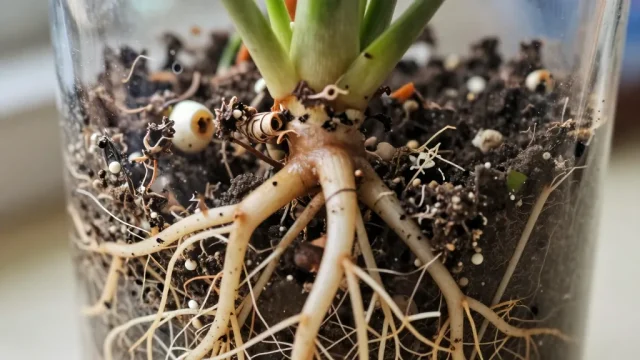
Maintaining proper watering and lighting is essential for keeping your plants healthy and less susceptible to pests. Spider mites thrive in stressed or weakened plants, so ensuring your plants receive adequate light and water can help prevent infestations. Avoid overwatering, as soggy soil can lead to root rot and weaken plant defenses. Instead, water only when the top inch of soil feels dry to the touch. Additionally, place plants in areas with sufficient light, even if it means supplementing with grow lights if natural light is limited. Healthy, well-nourished plants are better equipped to resist pest attacks.
Preventative Measures for Long-Term Care
Isolating new plants and regularly inspecting your collection are key preventative steps. When bringing a new plant home, keep it separate from your existing collection for at least two weeks to monitor for signs of pests. This prevents the spread of infestations to other plants. During this time, inspect the new plant thoroughly, checking leaves, stems, and soil for any signs of mites or other insects. Regular inspections of all plants should also be part of your routine. By catching infestations early, you can address them before they become a widespread problem. Combining these practices with physical barriers or fans can further reduce humidity and deter mites from settling on your plants.
Frequently Asked Questions
Can I use rubbing alcohol to kill spider mites on my plants?
Yes, rubbing alcohol can be used to kill spider mites. Mix 1 part rubbing alcohol with 1 part water and wipe the affected areas. It is effective but may need repeated applications for complete eradication.
How often should I apply neem oil to my indoor plants?
Apply neem oil every 7 to 14 days until the infestation is gone. Adjust the frequency based on the severity of the problem and the plant's response to treatment.
Are spider mites a sign of overwatering?
Spider mites are not directly caused by overwatering, but poor plant health from overwatering can make plants more vulnerable to infestations. Ensure proper drainage and watering practices to maintain plant health.
Can I use insecticidal soap on all types of indoor plants?
Insecticidal soap is generally safe for most indoor plants, but it is best to test a small area first. Avoid using it on plants with sensitive leaves or those prone to leaf spot diseases.
Final Steps for Spider Mite Control
Regular inspection and prompt action are essential for managing spider mites. Combining physical removal with natural treatments like neem oil or insecticidal soap can effectively control infestations.
Maintaining plant health through proper care and preventive measures helps reduce the risk of future infestations. Start by inspecting your plants and taking early action to protect your indoor garden.