
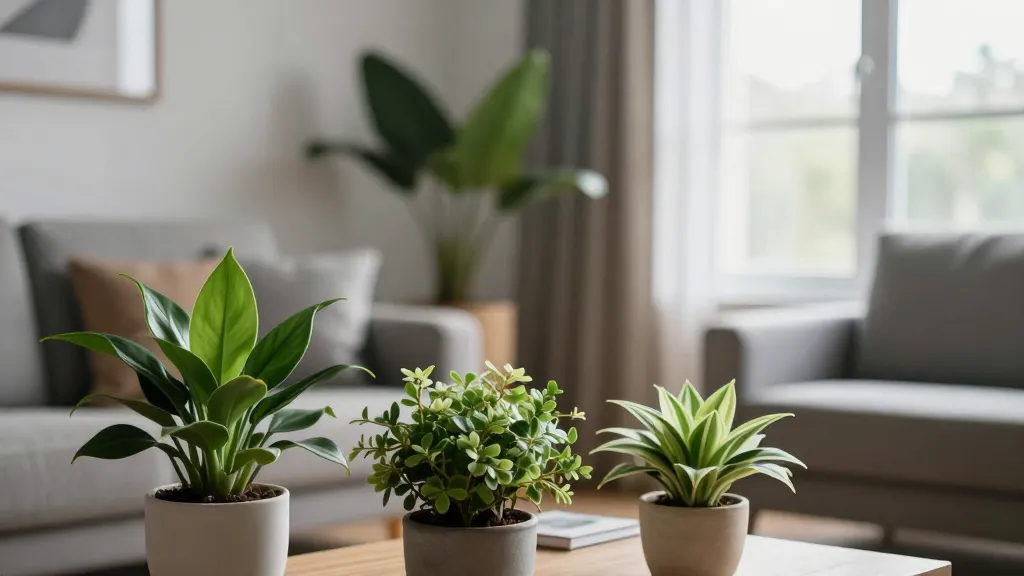
Urban living often means limited access to natural sunlight, making it challenging to keep indoor plants thriving. However, adding greenery to your home can improve air quality and create a calming atmosphere. If you're looking for best indoor plants for low light, you're in the right place. These plants are specially adapted to thrive in dimly lit spaces, making them perfect for apartments, offices, or rooms with minimal sunlight. Whether you're a beginner or a seasoned gardener, these options offer a low-maintenance way to bring life to your interior space.
The key to successful low light plant care lies in understanding their specific needs and providing the right environment. While these plants don't require frequent watering or direct sunlight, they still need proper soil, drainage, and occasional attention. This article explores why low light plants are ideal for modern homes and highlights the top five varieties that are both resilient and easy to care for.
From the forgiving ZZ Plant to the hardy Snake Plant, each of these options brings unique benefits to your living space. We'll also cover essential care tips, troubleshooting common issues, and how to choose the right plant for your specific setup. Whether you're aiming for a minimalist aesthetic or want to add a touch of nature to your home, the best indoor plants for low light can help you achieve your goal without the hassle.
Why Choose Plants for Low Light Environments
For urban dwellers and those in spaces with limited natural light, low light plants offer a practical and beautiful solution. These plants not only thrive in dim conditions but also bring the calming benefits of greenery into homes where sunlight is scarce. By choosing the right species, you can enjoy lush, healthy plants with minimal effort, making them an ideal choice for modern living.
Understanding Low Light Conditions
Low light conditions refer to environments where natural sunlight is minimal, often found in rooms facing away from windows or in spaces with heavy curtains. While these conditions can be challenging for many plants, several species have adapted to thrive in such settings. Understanding the light requirements of your space helps in selecting the right plants that can flourish without the need for direct sunlight.
The Benefits of Low Light Plants
Low light plants provide numerous benefits, including air purification and stress reduction. They can improve indoor air quality by absorbing toxins and releasing oxygen, contributing to a healthier living environment. Additionally, their presence adds a natural aesthetic that can enhance the ambiance of any room. These plants also require less frequent watering and minimal maintenance, making them perfect for busy lifestyles and those new to plant care.
The Best Indoor Plants for Low Light
Selecting the right indoor plants for low light environments can transform your space with minimal effort. These plants are not only resilient but also enhance air quality and add a touch of natural beauty. The following list highlights some of the best indoor plants for low light, each with unique care requirements that make them ideal for urban dwellers seeking to bring greenery into their homes.
- ZZ Plant (Zamioculcas zamiifolia)
- Snake Plant (Sansevieria)
- Cast Iron Plant (Aspidistra elatior)
1. ZZ Plant (Zamioculcas Zamiifolia)
The ZZ Plant is a hardy, low-maintenance option that thrives in low light conditions. It requires minimal watering, making it perfect for busy individuals. This plant prefers well-draining soil and can tolerate irregular watering schedules. Its dark green leaves add a striking contrast to any room.
2. Snake Plant (Sansevieria)
Snake Plants are known for their ability to purify the air and thrive in low light environments. They require infrequent watering and can survive in dry conditions. These plants are particularly effective at removing toxins from the air, making them an excellent choice for improving indoor air quality.
3. Cast Iron Plant (Aspidistra Elatior)
The Cast Iron Plant is another resilient option that can thrive in low light. It is named for its durability and ability to withstand neglect. This plant prefers indirect light and should be watered sparingly to avoid root rot. Its glossy leaves and upright growth make it a stylish addition to any space.
How to Care for Low Light Plants
Proper care is essential for low light plants to thrive in minimal sunlight. While these plants are resilient, they still require attention to watering, soil quality, and environmental conditions to avoid common pitfalls like overwatering and root rot.
Watering Tips for Low Light Plants
Watering low light plants should be done sparingly, as these species are adapted to dry conditions. Allow the soil to dry out completely between waterings to prevent root rot. Use a moisture meter or check the soil by inserting a finger about an inch deep; if it feels dry, it's time to water. Avoid frequent misting, as excess humidity can encourage mold and fungal growth.
Soil and Drainage Essentials
Choosing the right soil and ensuring proper drainage are critical for low light plants. Use a well-draining potting mix that includes perlite or sand to prevent water from pooling at the bottom of the pot. Ensure pots have drainage holes to allow excess water to escape. Avoid heavy, clay-based soils that retain moisture, as they can suffocate roots and lead to rot. A balanced mix of peat moss, perlite, and compost can provide the ideal environment for root health and nutrient absorption.
Troubleshooting Common Issues
Troubleshooting common issues is essential for maintaining the health of low light plants. While these plants are resilient, they can still face challenges such as yellowing leaves, wilting, and pest infestations. Identifying the root cause of these problems and taking timely action can help restore your plants to their best condition.
Yellow Leaves and Wilting: What to Do
Yellow leaves and wilting are often signs of improper care. Overwatering is a common culprit, as low light plants are more susceptible to root rot. Check the soil moisture regularly and allow the top inch of soil to dry out between waterings. If the leaves are turning yellow from the edges, it may indicate overwatering or poor drainage. If the issue persists, consider repotting the plant in fresh, well-draining soil.
Pest and Disease Management
Pests and diseases can also affect low light plants, particularly in humid or poorly ventilated environments. Spider mites, mealybugs, and aphids are common pests that thrive in low light conditions. Inspect the leaves and stems regularly for signs of infestation, such as webbing, sticky residue, or small insects. Treat affected plants with insecticidal soap or neem oil, and isolate infected plants to prevent the spread of pests. For fungal diseases, ensure proper air circulation and avoid overwatering to reduce humidity around the plant.
Selecting and Placing Your Low Light Plants
Selecting and placing low light plants requires thoughtful consideration of your space and the specific needs of each plant. By matching the right plant to your environment and positioning them strategically, you can create a thriving indoor garden with minimal effort.
Choosing the Right Plant for Your Space
When choosing low light plants, consider the size of your space, the available light, and your maintenance preferences. For small areas, compact varieties like the ZZ Plant or Snake Plant are ideal. In larger spaces, you can add a mix of taller plants such as the Cast Iron Plant for a lush look. Pay attention to the plant’s mature size to avoid overcrowding and ensure it fits comfortably in your chosen location.
Optimal Placement for Low Light Plants
To maximize light exposure, place low light plants near windows that receive indirect light, such as north-facing windows. Rotate plants every few weeks to ensure even growth and prevent leaning toward the light source. Avoid placing them in areas with strong direct sunlight, as this can cause leaf burn. Grouping plants together can also help distribute light more evenly and create a natural, cohesive atmosphere.
Frequently Asked Questions
Can I place low light plants near a window?
Yes, low light plants can thrive near a window, but avoid direct sunlight. Choose a spot with indirect light to prevent leaf burn and ensure optimal growth.
How often should I water my low light plants?
Water low light plants only when the soil is dry to the touch. Overwatering can lead to root rot, so allow the soil to dry between waterings.
What should I do if my low light plant is turning yellow?
Yellow leaves may indicate overwatering or insufficient light. Check the soil moisture and adjust watering. If the issue persists, consider moving the plant to a brighter spot.
Are there any pests that commonly affect low light plants?
Common pests include spider mites, aphids, and mealybugs. Regularly inspect your plants and treat infestations with insecticidal soap or neem oil for effective control.
Final Thoughts
Selecting the right low light plants and providing proper care can transform your indoor space into a lush, green environment. With minimal effort, these plants can thrive and enhance your home's ambiance.
Start by choosing a plant that suits your living conditions and care level. Place it in a suitable spot, and maintain a consistent watering and care routine for long-term success.