Fungus gnats can be a frustrating nuisance for indoor plant owners, especially those new to caring for greenery in limited light conditions. These tiny, flying insects are not only a nuisance but can also harm your plants by feeding on roots and spreading disease. If you're struggling with how to get rid of fungus gnats, you're not alone. This article provides practical, easy-to-follow solutions tailored for urban dwellers with limited space and natural light. Whether you're dealing with an existing infestation or looking to prevent future problems, the methods outlined here can help you restore health to your indoor garden. By combining natural remedies and preventive care, you can create a thriving environment for your plants without the hassle of persistent pests.
Understanding Fungus Gnats and Their Impact on Indoor Plants
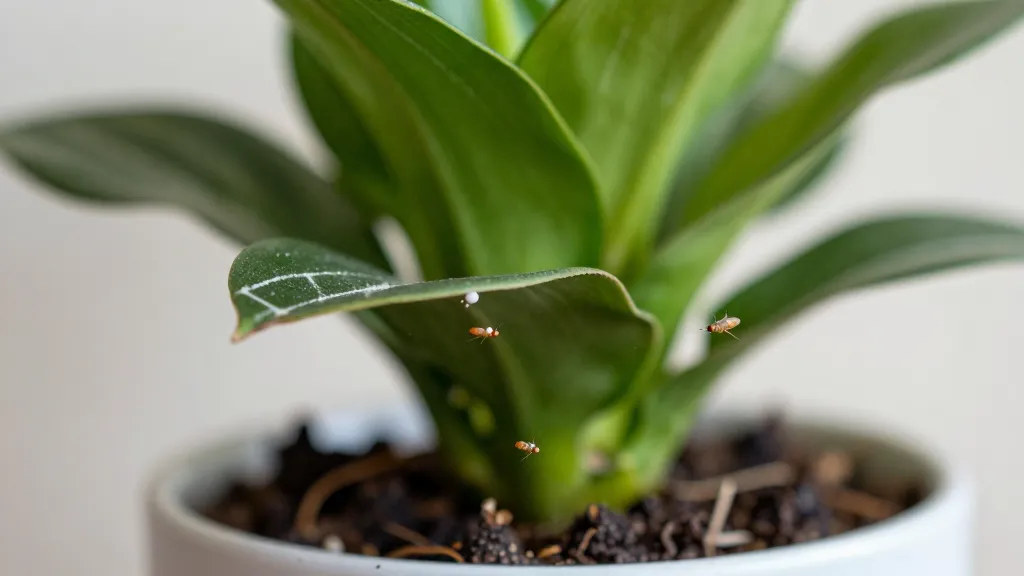
Fungus gnats are small, dark flies that thrive in moist soil and are common in indoor plant environments. These pests are often a sign of overwatering or poor drainage, which can lead to root damage and unhealthy plants. Understanding their life cycle and impact is essential for effective control and maintaining a thriving indoor garden.
The Life Cycle of Fungus Gnats
The life cycle of fungus gnats begins with adult flies laying eggs in the soil, typically near the surface. These eggs hatch into larvae, which feed on fungal spores and organic matter in the soil. After several weeks, the larvae pupate and emerge as adult gnats, continuing the cycle. This rapid life cycle means infestations can develop quickly, especially in warm, damp conditions.
Why Fungus Gnats Are a Problem for Indoor Plants
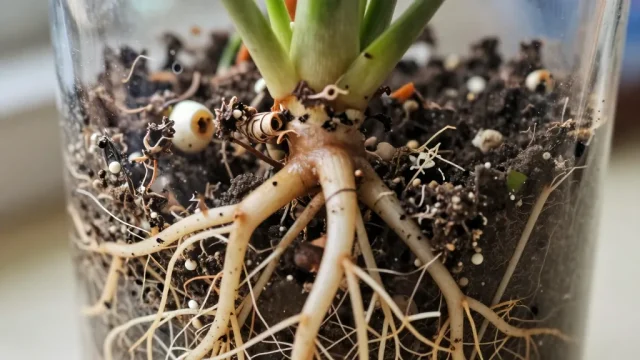
Fungus gnats can damage plant roots, especially in young or weak plants, by feeding on fungal spores and disrupting root health. Their presence is often an indicator of overwatering or poor drainage, which can lead to root rot and other plant health issues. The larvae can also contribute to the spread of fungal diseases, making it crucial to address infestations promptly. Preventing and eliminating fungus gnats is essential for maintaining a healthy indoor garden.
Natural and Effective Methods to Eliminate Fungus Gnats
Mosquito bits offer a safe, natural solution for eliminating fungus gnats in indoor plants. Made from diatomaceous earth, these bits target gnat larvae without harming plants, pets, or beneficial insects. When used correctly, they can significantly reduce infestations while keeping your indoor garden chemical-free.
- Mix mosquito bits into the top layer of soil to create a barrier against gnat larvae.
- Apply bits sparingly to avoid over-drying the soil or harming plant roots.
- Reapply mosquito bits every 2–3 weeks or after heavy watering to maintain effectiveness.
- Combine use of mosquito bits with proper watering practices to reduce moisture in the soil.
How to Use Mosquito Bits for Fungus Gnat Control
Mosquito bits are a simple yet effective way to control fungus gnats. These small, granular particles are made from diatomaceous earth, a natural substance that dehydrates and kills gnat larvae. When mixed into the top layer of soil, they create a barrier that prevents larvae from surviving. This method is ideal for indoor gardeners who want to avoid chemical pesticides while still managing infestations effectively.
Best Practices for Using Mosquito Bits in Pots
When using mosquito bits in pots, it's important to apply them correctly to avoid harming your plants. Spread a thin layer of bits over the soil surface, ensuring they don't touch the plant roots. This prevents any potential damage to the root system. For best results, use mosquito bits in combination with proper watering techniques, such as allowing the top layer of soil to dry out between waterings. This helps reduce moisture, which is essential for gnat reproduction and makes the environment less hospitable for their larvae.
Using Yellow Sticky Traps to Catch Fungus Gnats
Yellow sticky traps are an effective, non-toxic way to catch adult fungus gnats in your indoor garden. These traps are easy to use, reusable, and safe for homes with plants and people. By strategically placing them, you can significantly reduce the population of adult gnats, which helps prevent further infestation and protects your plants.
- Choose high-quality yellow sticky traps that are specifically designed for indoor use.
- Place the traps near the soil surface, just above the potting mix, to catch emerging adult gnats.
- Replace the traps regularly to maintain their effectiveness and avoid clogging.
- Use multiple traps in larger plant collections to ensure comprehensive coverage.
How to Set Up Yellow Sticky Traps
To set up yellow sticky traps, start by selecting traps that are specifically designed for indoor use. These traps are typically made of non-toxic materials and are safe for use around plants and people. Place the traps in areas where you've noticed adult gnats, such as near the soil surface or around the base of your plants. Make sure the traps are positioned so that the sticky surface is visible to the gnats, which are attracted to the color yellow.
When and Where to Place Yellow Sticky Traps
When placing yellow sticky traps, focus on areas where adult fungus gnats are likely to emerge, such as near the soil surface or around the base of your plants. These gnats are most active during the evening and early morning, so positioning the traps in these areas can increase their effectiveness. Avoid placing traps too high up, as adult gnats tend to hover close to the soil. Combine the use of traps with other methods, like proper watering and soil management, to achieve long-term control.
Preventing Fungus Gnat Infestations in Your Indoor Garden
Prevention is key to avoiding fungus gnat problems in the future. By focusing on proper watering, soil maintenance, and hygiene, you can significantly reduce the likelihood of infestations. Consistent care and attention to your plants' needs will help keep your indoor garden healthy and gnat-free.
How to Adjust Watering to Prevent Fungus Gnats
How to Adjust Watering to Prevent Fungus Gnats involves understanding the moisture preferences of your plants. Fungus gnats are attracted to wet soil, so it's important to water only when the top inch of soil is dry. Use a moisture meter or simply insert your finger into the soil to gauge when watering is needed. Avoid leaving plants sitting in standing water, as this creates a perfect breeding ground for these pests.
Maintaining Clean and Dry Soil for Plants
Maintaining Clean and Dry Soil for Plants is crucial in preventing fungus gnat infestations. Regularly check the soil for dampness and ensure proper drainage by using pots with drainage holes. If the soil remains consistently wet, consider repotting with a well-draining mix that includes perlite or sand. Additionally, remove any dead leaves or debris from the soil surface, as these can contribute to moisture retention and attract pests. Keeping the soil surface dry and clean helps discourage fungus gnats from laying eggs and reduces the risk of infestation.
Combining Methods for Long-Term Fungus Gnat Control
Combining mosquito bits, yellow sticky traps, and proper watering practices creates a layered approach that addresses fungus gnats at multiple stages of their life cycle. This method ensures that both adult gnats and larvae are targeted, reducing the likelihood of reinfestation and promoting long-term plant health.
Why Combining Methods Works Better
Each method contributes uniquely to the control of fungus gnats. Mosquito bits target larvae in the soil, yellow sticky traps capture adult gnats in flight, and consistent watering practices reduce the moist conditions that gnats need to thrive. Together, these methods create a more comprehensive solution than using any single method alone. By attacking the problem from different angles, the overall effectiveness of the control strategy is significantly improved.
A Weekly Fungus Gnat Control Checklist
A weekly control checklist helps maintain consistent efforts in managing fungus gnats. This includes checking and replacing sticky traps, ensuring mosquito bits are evenly distributed in the soil, and assessing watering practices to avoid over-saturation. Regular monitoring allows for quick adjustments, ensuring that any signs of reinfestation are addressed before they become a full-blown problem. Consistency in these routine tasks is key to long-term success, as it prevents the conditions that allow fungus gnats to flourish.
Frequently Asked Questions
Can I use mosquito bits on all types of indoor plants?
Mosquito bits are safe for most indoor plants, but check the packaging for specific plant compatibility. They work best in pots with soil, not in hydroponic systems.
How often should I replace yellow sticky traps?
Replace yellow sticky traps every 1-2 weeks or when they become heavily coated with insects. Regular replacement ensures effective gnat control.
Do fungus gnats affect the health of my plants directly?
Fungus gnats primarily damage plant roots by feeding on them, which can lead to wilting and yellowing leaves. They don't directly harm the above-ground parts of the plant.
What should I do if I see fungus gnats in my pot?
Act quickly to prevent infestation. Use mosquito bits, set up traps, and adjust your watering habits. Keep the soil surface dry to discourage gnat activity.
Final Thoughts on Fungus Gnat Control
Combining natural methods like mosquito bits and yellow sticky traps, along with proper watering and soil maintenance, is the most effective way to control fungus gnats. Regular monitoring and quick action are key to long-term success.
Start by assessing your current watering habits and setting up traps. Then, incorporate mosquito bits into your routine for a comprehensive approach to indoor plant pest control.