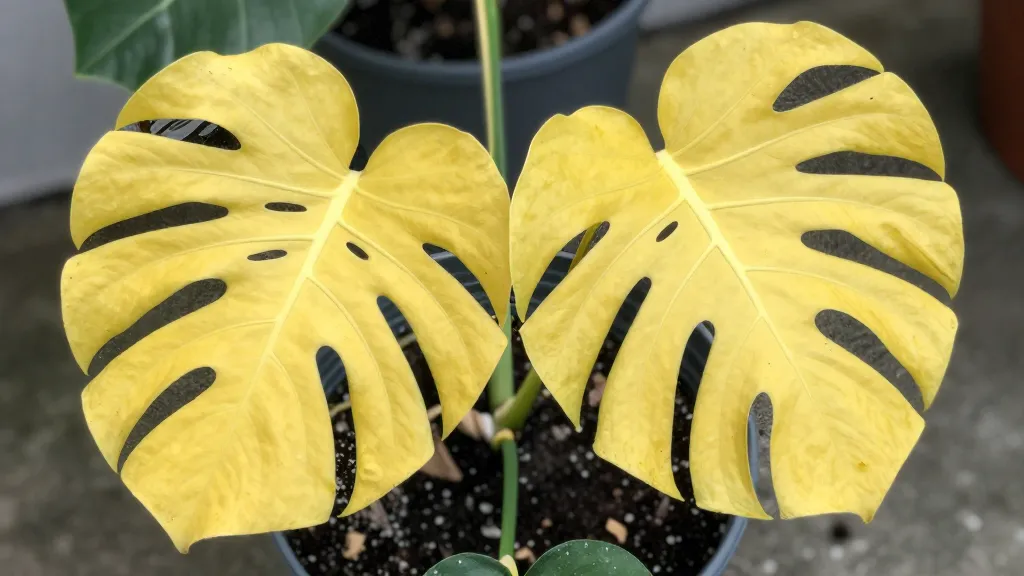
If your Monstera deliciosa is showing yellow leaves, it's a clear sign that something is off. This popular houseplant is known for its lush, tropical appearance, but yellowing foliage can be frustrating for homeowners and apartment dwellers who may not have access to natural light. The main keyword, Monstera deliciosa yellow leaves causes, is often a concern for those trying to keep their plants healthy. Understanding the root causes of this issue is essential for effective care and recovery.
Yellow leaves on a Monstera deliciosa can result from various factors, with overwatering being the most common culprit. Other potential causes include root rot, inadequate light, or nutrient deficiencies. Identifying the specific cause is the first step toward fixing the problem and preventing further damage to your plant.
This article explores the most common reasons behind yellow leaves on your Monstera deliciosa, including overwatering and root rot. It also provides practical, step-by-step solutions to revive your plant and prevent future issues. Whether you're a beginner or a seasoned plant enthusiast, these insights will help you keep your Monstera healthy and thriving.
Understanding the Causes of Yellow Leaves on Monstera Deliciosa
Yellow leaves on Monstera deliciosa can signal a range of issues, from environmental stress to underlying health problems. Understanding the root cause is essential to prevent further damage and promote recovery. While overwatering and root rot are the most common culprits, natural aging can also lead to yellowing. Careful observation and a methodical approach are necessary to determine the exact cause and apply the right solution.
Overwatering: The Most Common Culprit
Overwatering is the most common cause of yellow leaves on Monstera deliciosa, especially in low-light conditions. When the soil remains consistently moist, the roots become waterlogged, which prevents proper oxygen flow and leads to stress. Yellowing often starts at the base of the leaves and spreads upward, accompanied by wilting and a soft, mushy texture. This issue is particularly prevalent in indoor environments where natural light is limited, making it harder for the plant to absorb nutrients effectively.
Root Rot: A Serious but Treatable Issue
Root rot is a serious but treatable condition that often follows overwatering. It occurs when the roots are damaged by prolonged moisture, leading to decay and the inability to absorb water and nutrients. Affected plants may show yellowing, stunted growth, and a foul odor from the soil. Early detection and intervention, such as repotting in fresh, well-draining soil, can save the plant. However, if the roots are severely damaged, recovery may be limited, highlighting the importance of addressing overwatering promptly.
How Overwatering Affects Monstera Deliciosa
Overwatering is the most frequent cause of yellow leaves on Monstera deliciosa, often leading to root suffocation and subsequent leaf discoloration. When excess moisture accumulates in the soil, the roots are unable to absorb oxygen, which weakens the plant and causes yellowing and wilting. This issue is particularly common in low-light environments, where evaporation is slower, increasing the risk of overwatering.
Signs of Overwatering in Monstera
Signs of overwatering in Monstera include yellowing leaves that start at the base and spread upward. The leaves may feel soggy or droop, and the soil may remain consistently damp even after several days. In severe cases, the stems may become soft and mushy, indicating root damage.
Another indicator of overwatering is the presence of a foul odor coming from the soil, which is a sign of root rot. If the leaves turn yellow and fall off despite proper watering, it could signal that the roots are no longer functioning correctly. Checking the soil moisture regularly and ensuring proper drainage are essential steps in identifying and addressing overwatering in Monstera.
Recognizing and Fixing Root Rot in Monstera Deliciosa
Root rot is a fungal disease that often develops from prolonged overwatering, leading to the decay of Monstera Deliciosa roots. Identifying and addressing root rot early is critical to saving the plant, as it can severely impact the plant's health and survival.
How to Diagnose Root Rot
To diagnose root rot, carefully remove the plant from its pot and gently inspect the roots. Infected roots will appear dark, soft, and emit a foul odor, while healthy roots are firm and white. If you notice a significant portion of the roots showing these symptoms, root rot is likely the cause. The presence of mold or a damp, musty smell in the soil can also indicate the issue.
Once root rot is confirmed, the first step is to remove the affected roots using clean, sharp scissors or pruning shears. Cut away any dark, mushy roots until you reach the healthy, white sections. After trimming, rinse the remaining roots under running water to remove any debris or fungal spores. It’s important to act quickly, as delayed treatment can lead to the plant’s decline.
Step-by-Step Guide to Reviving a Monstera with Yellow Leaves
Reviving a Monstera with yellow leaves requires a methodical approach that starts with identifying the root cause and taking immediate, targeted action. The key is to assess the plant’s condition carefully and adjust its care routine to restore its health.
- Check the soil moisture to determine if overwatering is the issue. Insert your finger into the soil up to the second knuckle; if it feels wet, the plant is likely receiving too much water.
- If root rot is suspected, gently remove the Monstera from its pot and inspect the roots. Healthy roots are firm and white, while rotten roots are soft, dark, and emit a foul odor.
- Once the cause is identified, take targeted action to restore the plant’s health. If overwatering is the problem, allow the soil to dry out before watering again, and ensure the pot has proper drainage.
- For root rot, trim the affected roots with clean, sharp scissors, and repot the plant in fresh, well-draining soil. Avoid overwatering in the future to prevent recurrence.
Immediate Actions to Take for a Yellowing Monstera
Begin by checking the soil moisture to determine if overwatering is the issue. Insert your finger into the soil up to the second knuckle; if it feels wet, the plant is likely receiving too much water. Overwatering is the most common cause of yellow leaves, so this step is crucial for diagnosing the problem accurately.
If root rot is suspected, gently remove the Monstera from its pot and inspect the roots. Healthy roots are firm and white, while rotten roots are soft, dark, and emit a foul odor. This visual inspection can help you determine whether the issue is due to overwatering or a more serious fungal infection.
Preventing Future Yellow Leaves on Monstera Deliciosa
Preventing future yellow leaves on Monstera Deliciosa involves consistent care and attention to the plant's needs. By establishing a routine that includes proper watering, suitable soil, and adequate light, you can significantly reduce the risk of yellowing and promote long-term health.
How to Maintain a Healthy Monstera
Establishing a consistent watering schedule is crucial to avoid overwatering, which is a leading cause of yellow leaves. Allow the top inch of soil to dry out between waterings, and adjust frequency based on environmental conditions. Using a pot with drainage holes helps prevent water from pooling at the bottom, reducing the risk of root rot.
Using a well-draining potting mix is essential for maintaining healthy roots and preventing waterlogged soil. A mix that includes perlite, orchid bark, or coconut coir can improve aeration and drainage. Avoid heavy soils that retain too much moisture, as they can lead to root decay and yellowing leaves over time.
Providing adequate indirect light is vital for Monstera Deliciosa to thrive. These plants prefer bright, filtered light but can tolerate lower light levels. Place your plant near a north- or east-facing window, or use artificial grow lights if natural light is limited. Insufficient light can cause leaves to yellow and stunt growth.
Regular monitoring allows you to catch early signs of stress or disease before they become severe. Check for yellowing leaves, wilting, or unusual spots weekly. If you notice any issues, act quickly by adjusting care practices or repotting if necessary. Early intervention can prevent further damage and help your Monstera recover faster.
Frequently Asked Questions
What should I do if my Monstera has yellow leaves and soft, dark roots?
Soft, dark roots indicate root rot, which is often caused by overwatering. Remove the plant from its pot, trim the affected roots, and repot in fresh, well-draining soil. Allow the soil to dry out between waterings.
Can yellow leaves on a Monstera be caused by something other than overwatering?
Yes, yellow leaves can result from underwatering, low light, pests, or nutrient deficiencies. Check soil moisture, light conditions, and inspect for pests to determine the exact cause.
How often should I water my Monstera in low-light conditions?
In low light, Monstera should be watered less frequently. Check the soil moisture by inserting a finger 2–3 inches deep. Water only when the soil feels dry to the touch.
Is it possible to save a Monstera with root rot?
Yes, root rot can be reversed if caught early. Remove affected roots, repot in fresh soil, and allow the plant to dry out. Avoid overwatering to prevent recurrence.
Final Thoughts on Monstera Care
Yellow leaves on Monstera Deliciosa often stem from overwatering or root rot, both of which can be corrected with proper care. Immediate action, such as repotting and adjusting watering habits, can help restore the plant's health.
To prevent future issues, maintain a consistent watering schedule and ensure well-draining soil. Regularly inspect the plant for signs of stress or pests to keep it thriving.