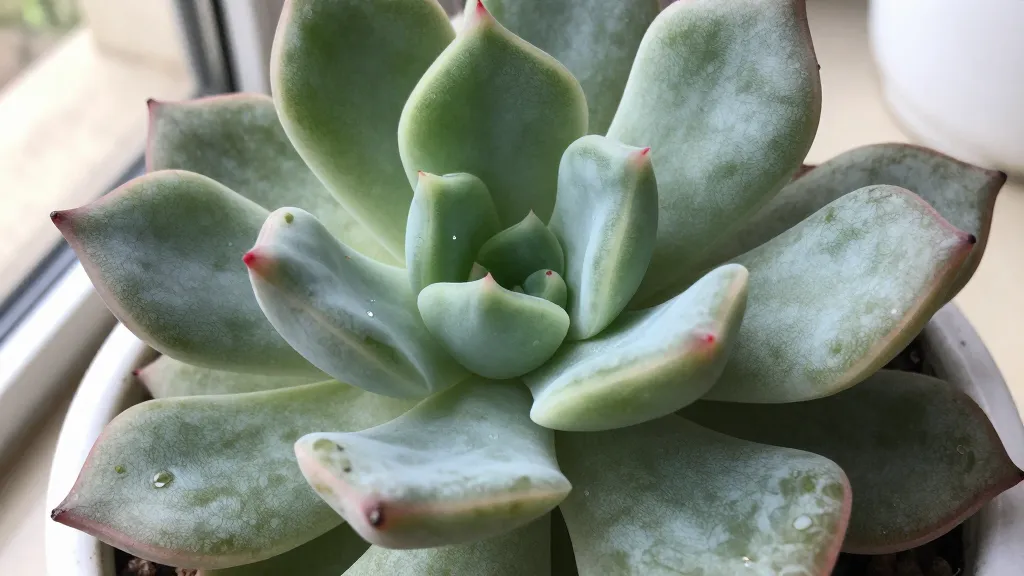
If your succulent's leaves are wrinkly, you're probably wondering if it's overwatered or thirsty—especially if you're new to indoor plant care and living in a city with limited natural light. The main keyword here is succulent wrinkly leaves overwatered vs thirsty, and it's a common concern for many plant lovers. Determining the cause can be tricky, but understanding the signs and how to diagnose the issue is key to saving your plant. This article will walk you through the differences between overwatered and thirsty succulents, how to check soil moisture without a meter, and practical steps to revive your wilting plant. Whether your succulent is squishy or deflated, we'll help you figure out the right care plan.
Understanding the Signs of Wrinkly Succulent Leaves
Wrinkly leaves on succulents are a clear sign of dehydration, but they can easily be mistaken for overwatering. Both conditions can result in similar leaf textures, making it challenging for new plant owners to determine the exact cause. Understanding the difference between a thirsty plant and one that's been waterlogged is essential for effective care, especially in urban settings with limited natural light.
What Causes Wrinkly Leaves on Succulents?
Wrinkly leaves on succulents are primarily caused by a lack of water, which leads to the plant losing moisture faster than it can absorb it. This is especially common in environments with low humidity or high temperatures, both of which are typical in urban apartments. The leaves become dry, curled, and often take on a papery texture. In contrast to overwatering, which can cause root rot and a more generalized decline in plant health, dehydration is a direct response to insufficient water supply.
The Difference Between Squishy and Deflated Leaves
Differentiating between squishy and deflated leaves is key to diagnosing the root cause of wrinkly leaves. Squishy leaves are a sign of overwatering, where the plant has been sitting in soggy soil for too long. These leaves feel soft, spongy, and often have a waterlogged appearance. Deflated leaves, on the other hand, are a clear indicator of underwatering. They feel firm and leathery, and may appear sunken or wrinkled. By learning to identify these differences, urban plant owners can take the right steps to revive their succulents and prevent further damage.
Diagnosing Overwatered vs Thirsty Succulents
Diagnosing whether your succulent's wrinkly leaves are due to overwatering or thirst requires careful observation of both the leaves and the growing conditions. Understanding the subtle differences in leaf texture and soil state can help you determine the right course of action to revive your plant.
How to Check Soil Moisture Without a Moisture Meter
To check soil moisture without a moisture meter, gently insert your finger into the soil up to the first knuckle. If the soil feels damp or wet, your succulent is likely overwatered. If it feels dry and crumbly, your plant is probably thirsty. Avoid relying solely on the appearance of the soil surface, as it can be misleading. A better approach is to dig a few inches deep to get an accurate sense of moisture levels.
Inspecting the Roots for Overwatering Signs
Inspecting the roots is a crucial step in identifying overwatering issues. Remove the plant from its pot and examine the roots for signs of rot, such as a mushy, dark, or foul-smelling texture. Healthy roots should be firm and white. If the roots are waterlogged or discolored, it indicates overwatering. In contrast, thirsty succulents may have dry, brittle roots that are difficult to remove. This root condition can help you distinguish between overwatering and underwatering, guiding you toward the appropriate care adjustments.
Common Mistakes That Lead to Wrinkly Leaves
Overwatering is the most common mistake among beginners, especially for those new to indoor plant care. Many people assume that because succulents are drought-tolerant, they should be watered frequently. However, succulents thrive when their soil is allowed to dry out completely between waterings. This misunderstanding often leads to wrinkly, deflated leaves as the plant struggles to recover from root rot and waterlogged soil.
Using the wrong type of pot or soil can also contribute to wrinkly leaves. Pots without proper drainage holes or those made from porous materials can retain moisture, creating an environment where roots are constantly saturated. Similarly, heavy, clay-based soils hold water too long, preventing the roots from getting the oxygen they need. Choosing a well-draining soil mix and a pot with drainage holes is essential to avoid these issues.
Ignoring the plant's natural dormancy cycle is another major mistake that can confuse watering needs. Succulents often enter a dormant phase during certain times of the year, particularly in low-light conditions or during colder months. During dormancy, their water requirements drop significantly, and overwatering can cause the leaves to become wrinkly and mushy. Understanding these cycles and adjusting watering schedules accordingly can help prevent unnecessary stress on the plant.
New gardeners may also fail to recognize the subtle differences between overwatered and thirsty plants, leading to misdiagnosis and improper care. It’s crucial to observe the plant’s overall health, including leaf texture, stem color, and root condition, to determine the correct course of action. Being patient and learning to read the plant’s signals can make a significant difference in saving a wilting succulent.
Watering Tips for Succulents with Wrinkly Leaves
Proper watering is key to reviving succulents with wrinkly leaves. These plants are adapted to arid environments, so they require infrequent, deep watering. Water only when the soil is completely dry to the touch. This ensures the roots receive moisture without becoming waterlogged, which can lead to root rot. To check the soil, insert your finger about two inches deep—if it feels dry, it's time to water. Avoid routine watering schedules; instead, respond to the plant's actual needs by assessing soil conditions.
- Water only when the soil is completely dry to the touch.
- Use a well-draining soil mix with perlite or pum,ice to avoid water retention.
- Place the pot in a warm, bright spot to speed up drying.
- Avoid routine watering schedules; respond to the plant's needs by assessing soil conditions.
- Create a custom mix by combining potting soil with perlite or sand in a 2:1 ratio.
- Position the plant near a south-facing window or under grow lights for optimal light and warmth.
Using the right soil mix is essential for preventing water retention. A well-draining mix with perlite or pumice helps excess water drain quickly, reducing the risk of overwatering. Avoid heavy, clay-based soils that retain moisture and can suffocate the roots. You can create a custom mix by combining potting soil with perlite or sand in a 2:1 ratio. This ensures the roots stay aerated and receive the right amount of moisture without sitting in water.
Placing the pot in a warm, bright spot can significantly speed up the drying process. Succulents thrive in environments with bright, indirect light, which helps the leaves absorb sunlight and dry out more efficiently. A warm location also promotes faster evaporation of moisture from the soil and leaves. However, avoid direct sunlight, which can scorch the leaves. Instead, position the plant near a south-facing window or under grow lights to provide the ideal balance of light and warmth.
Reviving a Thirsty or Overwatered Succulent
Reviving a thirsty or overwatered succulent requires immediate and targeted action to restore the plant's health. The recovery process depends on the underlying cause, so it's essential to address each condition with the right care and patience.
Steps to Save a Thirsty Succulent
For a thirsty succulent, begin by thoroughly watering the soil until water drains from the pot's bottom. This ensures the entire root system receives moisture. Place the plant in bright, indirect light to encourage new growth and prevent further stress. Avoid watering again until the soil is completely dry to the touch, which may take several days to a week depending on the environment.
How to Rescue an Overwatered Plant
To rescue an overwatered succulent, gently remove the plant from its pot and inspect the roots for signs of rot. Trim any mushy or blackened roots with clean, sharp scissors, then rinse the remaining roots under running water. Repot the plant in fresh, well-draining soil and a pot with drainage holes. Allow the soil to dry out completely before watering again, as overwatering can lead to long-term damage if not corrected promptly.
Frequently Asked Questions
How can I tell if my succulent is overwatered or underwatered?
Wrinkly, dry leaves often indicate underwatering, while squishy, soft leaves suggest overwatering. Check the soil moisture and root health to determine the cause.
Can squishy leaves mean my succulent is getting too much water?
Yes, squishy leaves are typically a sign of overwatering. Allow the soil to dry out and adjust your watering schedule accordingly.
What should I do if my succulent has wrinkly, dry leaves?
Wrinkly, dry leaves usually mean the plant is thirsty. Water it thoroughly, but ensure the soil dries out between waterings to avoid overwatering.
Is it possible to save a succulent with soft and deflated leaves?
Yes, soft and deflated leaves can be a sign of overwatering. Repot the plant in well-draining soil, reduce watering, and monitor its recovery.
Final Thoughts on Succulent Care
Succulent wrinkly leaves can signal either underwatering or overwatering. Understanding the difference between squishy and deflated leaves is crucial for proper care. Adjust watering habits based on soil moisture and root health to revive your plant.
Regularly inspect your succulent's leaves and soil to maintain its health. If you notice wrinkly or soft leaves, take immediate action to correct the issue. With the right care, your succulent can recover and thrive.